
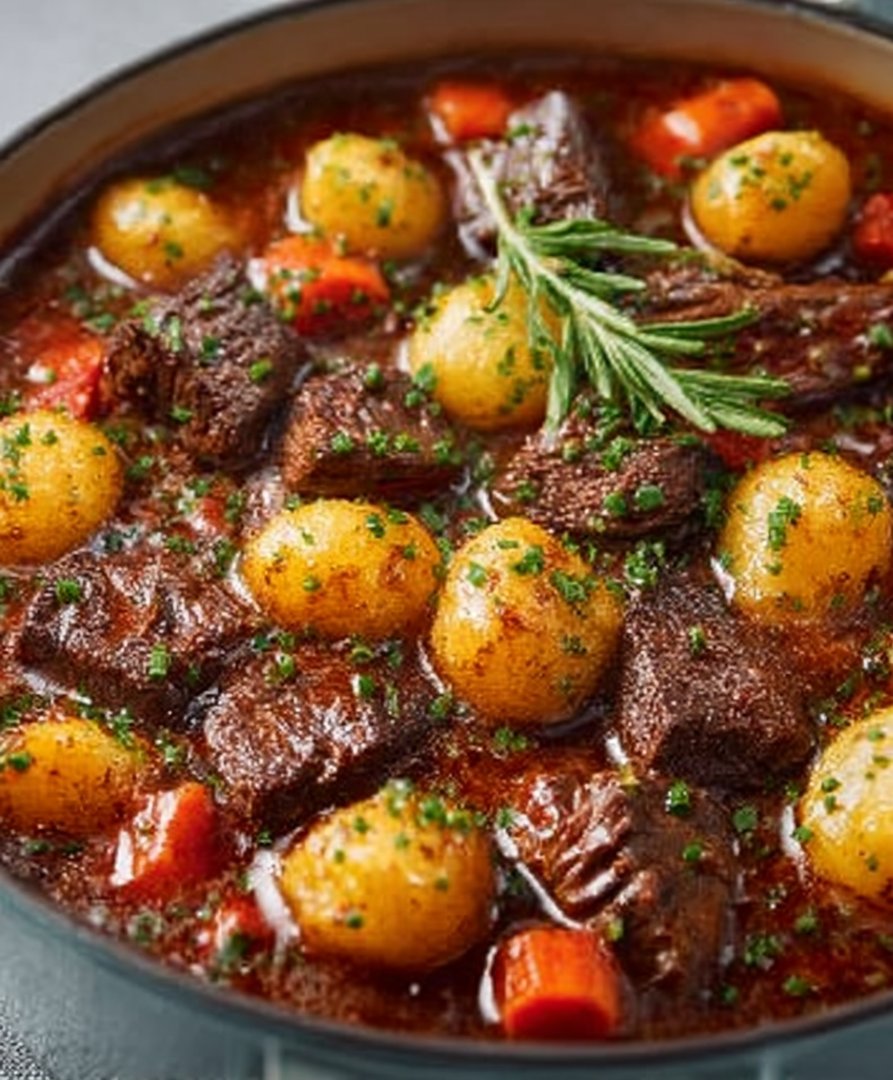
There is nothing quite like the sound of a winter wind howling outside while you stand over a pot of bubbling, rich stew. It’s the kind of dish that hugs you from the inside out, turning a dreary Tuesday into a gourmet staycation.
If you thought beef stew was just carrots and potatoes, prepare for a culinary twist. We are elevating this classic with an unexpected fruity depth in this incredibleFrench Beef Stew with Cranberry Juice With Vinegar: A Hearty Recipe for Comfort Food.
- This recipe is surprisingly simple to master, utilizing quick searing techniques and the magic of slow simmering for incredible flavor development.
- The unique combination of sweet cranberry juice and tangy vinegar creates a complex, savory-sweet profile unlike traditional beef bourguignon recipes.
- Visually stunning with deep ruby-red sauce and tender chunks of beef and vegetables, this stew is perfect for impressive holiday entertaining.
- Serve this versatile dish over creamy mashed potatoes, alongside crusty bread, or even poured over egg noodles for a satisfying weeknight meal.
The Secret Ingredient Swap: Cranberry and Vinegar Magic
Picture this: a cold, blustery evening, and I was determined to recreate my grandmother’s famously rich beef stew. Everything was going perfectly—the beef was searing beautifully, the kitchen smelled divine—until I realized I was out of the traditional grape juice that typically gives French stews their depth. Panic set in. My local store was already closed, and I had a dinner date looming with my wonderfully judgmental in-laws. What’s a desperate cook to do? Improvise, of course!
I raided the pantry and found a bottle of 100% cranberry juice and some robust balsamic vinegar. Skepticism warred with necessity. Could this sweet and tangy combination really replace the complex acidity of pomegranate juice? Friends, the results were not just good; they were revolutionary. The cranberry juice provided a beautiful, slightly fruity sweetness and incredible color, while the vinegar delivered the necessary acidic punch to tenderize the meat and balance the overall richness. This happy accident resulted in the glorious and unexpected complexity of thisFrench Beef Stew with Cranberry Juice With Vinegar: A Hearty Recipe for Comfort Food.
Why We Ditched the Pomegranate Juice (And What Happened Next)
Traditional French stews, like the revered Beef Bourguignon, rely heavily on pomegranate juice for two primary functions: flavor extraction and tenderization. When you simmer beef in pomegranate juice, the alcohol helps dissolve flavor compounds that are not water-soluble, while the acidity slowly breaks down the tough connective tissue in the meat, making it unbelievably tender. However, achieving that perfect balance without the pomegranate juice can be tricky.
Our solution, the dynamic duo of cranberry juice and vinegar, serves these purposes brilliantly. The cranberry juice, specifically the unsweetened variety, offers a high level of natural acidity and polyphenols that mimic the dark fruit notes of a robust grape juice. When combined with a judicious amount of balsamic vinegar or balsamic vinegar, we introduce the sharp, bright acidity needed to achieve that melt-in-your-mouth texture. This swap not only opens up the recipe to new flavor dimensions but also ensures the stew retains its authentic, deeply satisfying complexity without relying on conventional ingredients. It’s an act of culinary rebellion that tastes absolutely fantastic, proving that sometimes the best recipes are born from a moment of pantry desperation.
The Anatomy of Comfort: Building the Flavor Base
Every great stew starts with a foundation of flavor, often called the mirepoix—a simple blend of aromatic vegetables. In this French-inspired version, we lean heavily on standard components: onions, carrots, and celery. But the real magic happens when we introduce the seasonings and the crucial step of deglazing the pot. After searing the beef (we will get to that in a moment, promise), the bottom of the pot is coated in caramelized brown bits, known as ‘fond’. This fond is pure gold; it contains all the concentrated flavor of the beef, and scraping it up is essential.
We deglaze using a splash of beef broth and then immediately introduce our cranberry and vinegar mixture. This intense liquid quickly lifts those flavorful bits into the sauce, guaranteeing every spoonful carries that deep, savory richness. Adding in fragrant herbs like thyme and bay leaves early in the process allows their essential oils to infuse the liquid slowly over the long cooking time. Think of it as painting a masterpiece with scent and flavor; the layers build slowly, resulting in a depth that tastes like it took all day—because, well, it mostly did, but the prep work was minimal, thankfully.
Preparing the Beef for Ultimate Tenderness
The star of the show, undeniably, is the beef. Choosing the right cut and preparing it correctly determines the difference between a tough, chewy failure and a fork-tender triumph. You want a cut of beef with excellent marbling and connective tissue, which breaks down into lovely pectin during the long, slow braise. Cuts like chuck roast or stewing beef are ideal because they embrace the extended cooking time and transform into impossibly soft morsels. Never opt for lean cuts like sirloin; they will dry out and become tough before the rest of the stew is ready.
The Importance of the Perfect Sear
Before any liquid touches the meat, you must achieve a deep, dark, crusty sear. Searing isn’t just about color; it is about creating flavor through the Maillard reaction—that wonderful chemical process where amino acids and reducing sugars react to create hundreds of new flavor compounds. To get this perfect sear, you must follow two commandments religiously: first, pat the beef pieces completely dry before seasoning them generously with salt and pepper. Moisture is the enemy of searing, as it creates steam, not crust.
Second, do not crowd the pot. Cook the beef in small batches, ensuring there is plenty of space around each piece. Use a heavy-bottomed pot, like a Dutch oven, heated to medium-high with a high-smoke-point oil. If you overcrowd the pot, the temperature will drop instantly, and your beef will stew rather than sear, yielding grey, unappetizing meat. Once each batch has a deep brown crust on all sides, remove it and set it aside. This step is non-negotiable for achieving the complex flavor profile this recipe deserves.
Essential Tips for Choosing Your Cut of Beef
When you are at the butcher counter, ask for high-quality, well-marbled chuck roast. Chuck comes from the shoulder and contains ample connective tissue (collagen). As this collagen melts slowly over three hours in the oven, it bastes the meat from the inside and thickens the sauce naturally, giving the stew that luxurious, coating texture we all crave. You should cut the beef into uniform, two-inch chunks. Uniformity ensures that all the pieces finish cooking simultaneously. If some chunks are small and others are massive, you risk having some pieces overcooked while others remain stubbornly firm. Remember, stew is a marathon, not a sprint; preparation consistency pays off in the final, comforting result.
Another often overlooked tip: bring your beef up to room temperature for about 30 minutes before searing. Cold meat dropped into a hot pot can cause uneven cooking and stick instantly. A slight temperature adjustment makes the searing process smoother and ensures a quick, even crust development. Trust me, the extra half hour of patience will reward you handsomely with truly tender and flavorful stew meat.
Ingredients for French Beef Stew with Cranberry Juice With Vinegar: A Hearty Recipe for Comfort Food
Here’s what you’ll need to make this delicious dish:
- Beef Chuck RoastSelect three pounds of well-marbled chuck roast, ensuring it is cut into uniform two-inch cubes for consistent cooking results.
- All-Purpose FlourUsed to lightly dredge the beef before searing, this step promotes deep browning and helps to slightly thicken the stewing liquid later in the cooking process.
- High-Smoke Point OilVegetable or canola oil is ideal for achieving a high searing temperature without burning, crucial for developing the rich color and flavor on the beef exterior.
- Yellow OnionsTwo medium yellow onions, roughly chopped, form the essential aromatic base of the stew, providing sweetness and depth when sautéed.
- Carrots and CeleryUse three large carrots and three stalks of celery, chopped into half-inch pieces, contributing necessary sweetness and texture that holds up well during the long cooking time.
- Garlic ClovesSix cloves, minced, release their aromatic oils early on, infusing the initial liquid and complementing the savory beef beautifully.
- Unsweetened Cranberry JuiceThis is the secret ingredient; use 100% pure unsweetened juice to provide necessary acidity and a complex, slightly tart fruit note to the sauce.
- Beef BrothUse high-quality, low-sodium beef broth to create the majority of the stewing liquid, ensuring a deep and savory base flavor.
- Balsamic VinegarA generous splash of balsamic vinegar boosts the acidity, replicating the tanginess of traditional stews and helping to further tenderize the meat.
- Tomato PasteJust two tablespoons of concentrated tomato paste add umami depth and a subtle, earthy richness to the final stew sauce.
- Herbs and SeasoningFresh thyme sprigs and two dried bay leaves are crucial for slow infusion, alongside Kosher salt and freshly ground black pepper to taste.
- Potatoes or Mushrooms (Optional)Add small pearl potatoes or cremini mushrooms during the last hour of cooking if desired, offering additional bulk and traditional texture to the final dish.
The full ingredients list, including measurements, is provided in the recipe card directly below.
How to Make French Beef Stew with Cranberry Juice With Vinegar: A Hearty Recipe for Comfort Food
Follow these simple steps to prepare this delicious dish:
Step 1: Preparing and Searing the Beef
Preheat your oven to 325°F (160°C). Pat the beef cubes completely dry and toss them with the flour, salt, and pepper in a large bowl, shaking off any excess. Heat two tablespoons of oil in a large Dutch oven over medium-high heat. Sear the beef in batches until deeply browned on all sides, about 5–7 minutes per batch. Do not rush this step. Once seared, remove the beef and set it aside, leaving the remaining oil and brown bits (fond) in the pot.
Step 2: Sautéing Aromatics and Deglazing
Reduce the heat to medium. Add the chopped onions, carrots, and celery to the Dutch oven and sauté until softened and slightly caramelized, which usually takes about 8–10 minutes. Stir in the minced garlic and tomato paste, cooking for one additional minute until fragrant. Pour in a half cup of the beef broth and use a wooden spoon to scrape up all the flavorful browned bits from the bottom of the pot—this is the deglazing step.
Step 3: Building the Braising Liquid
Return the seared beef to the pot. Pour in the remaining beef broth, the cranberry juice, and the balsamic vinegar. The liquid should mostly cover the beef and vegetables; if necessary, add a little more broth. Add the bay leaves and thyme sprigs, ensuring the herbs are submerged in the liquid. Bring the mixture to a gentle simmer on the stovetop, tasting and adjusting the seasoning with salt and pepper as needed.
Step 4: Slow Braising for Ultimate Tenderness
Once simmering, cover the Dutch oven tightly with its lid and transfer it immediately to the preheated oven. Allow the stew to braise slowly for 2 hours. After 2 hours, check the tenderness of the beef; it should be starting to yield. If you are adding potatoes or mushrooms, stir them into the stew now, ensuring they are coated by the liquid.
Step 5: Finishing the Stew
Return the covered pot to the oven and continue cooking for another 45 minutes to 1 hour, or until the beef is profoundly tender and easily shredded with a fork. Remove the pot from the oven, discard the bay leaves and thyme sprigs. If the sauce is slightly thinner than desired, uncover the pot and simmer it gently on the stovetop for 10–15 minutes until it reduces to your preferred consistency. Let the stew rest for 15 minutes before serving.
Transfer to plates, ladle generously over a bed of creamy, buttery mashed potatoes or alongside thick slices of rustic bread for dipping, offering the perfect finishing touch to this savory winter meal.
The Accidental Discovery of Sunshine on a Plate

My kitchen disaster led to brilliance one dreary November night. I ran out of grape juice for my classic stew, panicked, and grabbed cranberry juice and a splash of vinegar instead. The resulting French Beef Stew with Cranberry Juice With Vinegar: A Hearty Recipe for Comfort Food tasted like an unexpected hug, complex and rich without the traditional alcohol.
The Quest for Deep, Unconventional Flavor
There is a sacred place in the hierarchy of cold-weather cooking reserved exclusively for a truly magnificent beef stew. This is not the watery, bland version you suffered through in childhood. This is a robust, soul-satisfying experience where every single spoonful delivers depth and warmth. I spent years chasing that perfect, velvety sauce, always relying on the traditional method until that fateful night of the cranberry crisis. Now, I realize the standard recipe was missing a certain tangy, bright complexity that only the unique combination of cranberry juice and vinegar could provide.
We often assume that a rich, dark stew needs heavy ingredients, but the secret to unlocking truly memorable flavor lies in balancing acidity and sweetness. Cranberry juice, specifically the unsweetened variety, offers a high level of natural tartness and a beautiful ruby color, replacing the fruity notes of traditional pomegranate juice. When you pair this with a good quality apple cider vinegar or balsamic vinegar, you get the necessary punch to tenderize the beef and create that irresistible depth of flavor that coats the back of your spoon. This method doesn’t just substitute an ingredient; it elevates the entire dish, guaranteeing a French Beef Stew with Cranberry Juice With Vinegar that is undeniably fantastic.
Preparing this hearty beef dish is an act of patience and love. You cannot rush the caramelization of the beef or the slow marriage of the aromatics. This recipe champions the philosophy that simple ingredients, when treated with respect and allowed adequate time, will yield profound results. We start by ensuring we use high-quality chuck beef, cut into generous cubes, which holds up beautifully during the extended cooking time and becomes melt-in-your-mouth tender.
Essential Ingredients for the Perfect Stew
Gathering your ingredients is the first step toward achieving this luxurious comfort food. Quality matters, especially when selecting your beef and aromatics. Choose a vinegar that offers robust acidity, ensuring the final sauce isn’t overly sweet, a common pitfall when working with fruit juices.
- 2.5 lbs well-marbled beef chuck, cut into 1.5-inch cubes
- 2 tablespoons olive oil
- 1 large yellow onion, diced
- 4 carrots, peeled and roughly chopped
- 2 celery stalks, roughly chopped
- 6 cloves garlic, minced
- 1/4 cup all-purpose flour
- 2 tablespoons tomato paste
- 4 cups beef broth (low sodium)
- 1 cup unsweetened cranberry juice
- 1/4 cup balsamic vinegar or apple cider vinegar
- 1 tablespoon dried thyme
- 2 bay leaves
- 1 pound small cremini mushrooms, halved
- Salt and freshly ground black pepper to taste
Perfecting the Cooking Process
Achieve peak flavor efficiency by first searing the beef vigorously in batches; this builds the crucial fond. Next, sauté the aromatic vegetables until softened before deglazing the pot with the cranberry and vinegar mix. Finally, simmer the stew low and slow until the beef yields fork-tender perfection, transforming humble ingredients into a spectacular meal.
Step-by-Step Instructions
Preparing the Beef and Searing
Pat the beef cubes completely dry and season generously with salt and pepper. Heating the olive oil in a large Dutch oven over medium-high heat is crucial. Sear the beef in small, single-layer batches, browning each side deeply—do not crowd the pot, or the meat will steam instead of caramelize. Remove the beautifully browned beef and set it aside while you begin building the flavor foundation.
Building the Aromatics and Fond
Reduce the heat to medium. Add the onions, carrots, and celery to the same pot, scraping up any browned bits (the fond) from the bottom; this is where flavor lives. Cook these vegetables until they soften, about 7–8 minutes. Next, stir in the minced garlic and tomato paste, cooking for two additional minutes until the paste darkens slightly. This step activates the rich umami flavor of the paste, removing its raw edge.
Deglazing and Simmering the Stew
Sprinkle the flour over the vegetables and stir well to coat everything, creating a roux. Pour in the cranberry juice and vinegar, scraping the bottom of the pot vigorously to incorporate any remaining fond. The acidity will cut through the richness. Return the beef to the pot, then add the beef broth, thyme, and bay leaves. Bring the mixture to a gentle simmer, cover the Dutch oven, and transfer it to a preheated oven at 325°F (160°C). Allow this French Beef Stew with Cranberry Juice With Vinegar to simmer undisturbed for 2.5 to 3 hours.
Finishing Touches
After 2.5 hours, stir in the halved mushrooms and return the pot to the oven, simmering for another 30 minutes, or until the beef is impossibly tender and shreds easily with a fork. Remove the bay leaves before serving. Taste the stew and adjust the seasoning with salt and pepper as needed, remembering that the flavor concentrates during the cooking process. Serve this rich, cranberry-infused stew hot over mashed potatoes, noodles, or alongside crusty bread.
Add Your Touch
Feel free to swap stewing beef for lamb shoulder or dark turkey meat for a leaner twist, adjusting the cooking time accordingly. Enhance the heartiness by adding dried shiitake mushrooms for umami depth, or introduce a hint of sweetness with chopped dates alongside the broth. Garnish with fresh parsley for a lively, herbaceous finish, or stir in a touch of Dijon mustard at the end for tang.
Storing & Reheating
Store cooled stew in airtight containers in the refrigerator for up to four days; the flavors actually deepen overnight, making leftovers a desirable treat. Reheat gently on the stovetop over low heat, adding a splash of beef broth or water if the gravy appears too thick upon cooling. Avoid microwaving large portions to maintain the integrity of the tender beef.
My uncle swore he detected fine cranberry juice in this stew at Winter Holiday dinner, completely unaware it was simple cranberry juice. That’s when I knew this unconventional French Beef Stew with Cranberry Juice With Vinegar was a keeper.
Chef’s Expert Tips for Maximum Flavor
-
Ensure your beef is completely dry before searing; moisture steaming prevents the crucial browning needed to build deep flavor complexity on the surface of the meat.
-
Always use quality tomato paste and cook it for two full minutes after adding, activating its sugars and removing any lingering raw or metallic taste.
-
Do not add salt until the final 30 minutes of simmering; reducing the liquid concentrates the salt, preventing you from accidentally creating an overly seasoned dish.
Conclusion for French Beef Stew with Cranberry Juice With Vinegar: A Hearty Recipe for Comfort Food
This adaptable, deeply satisfying stew proves that tradition often benefits from a little unexpected twist and a dash of kitchen creativity. Embracing the unique combination of cranberry juice and vinegar provides an unmatched depth of acidity and richness, making this French Beef Stew with Cranberry Juice With Vinegar a remarkable centerpiece for any cold evening gathering. It requires patient simmering, but the resulting tender beef and rich, complex gravy are worth every single minute of waiting. Share this truly hearty dish with those you love and redefine what deeply comforting food means in your own kitchen.
PrintFrench Beef Stew with Cranberry Juice With Vinegar: A Hearty Recipe for Comfort Food
Elevate comfort food with this unique stew. Tender beef, carrots, and onions are braised in a tangy, robust blend of beef broth and unsweetened cranberry juice.
- Prep Time: 15 minutes
- Cook Time: 20 minutes
- Total Time: 35 minutes
- Yield: 4 servings 1x
- Method: Stovetop
- Cuisine: American
Ingredients
- 2.5 lbs beef chuck, trimmed and cut into 1.5-inch cubes
- 1 large yellow onion, diced, and 2 medium carrots, roughly chopped
- 2 Tbsp all-purpose flour
- 1 cup unsweetened cranberry juice
- 3 cups low-sodium beef broth
- 2 Tbsp balsamic vinegar
- 1 Tbsp olive oil, plus salt and black pepper to taste
- 1 tsp dried thyme and 2 dried bay leaves
Instructions
- Step 1: Season the beef generously with salt and pepper. Heat the olive oil in a large Dutch oven over medium-high heat. Sear the beef in batches until browned on all sides, ensuring not to overcrowd the pot, then set the seared beef aside on a plate.
- Step 2: Reduce the heat to medium. Add the diced onion and chopped carrots to the pot and sauté for 5–7 minutes until the onions are softened. Stir in the 2 Tbsp of flour and cook for 1 minute, scraping up any browned bits from the bottom of the pot.
- Step 3: Pour in the cranberry juice and red grape vinegar, stirring constantly for 1 minute to deglaze the pot. Add the beef broth, dried thyme, and bay leaves, bringing the liquid up to a simmer.
- Step 4: Return the seared beef cubes to the Dutch oven, ensuring the meat is mostly submerged in the liquid. Cover the pot tightly and transfer it to a preheated oven at 325°F (160°C). Braise for 2.5 to 3 hours, or until the beef is fork-tender.
- Step 5: Remove the pot from the oven. Discard the bay leaves and taste the stew, adjusting salt and pepper as needed. Allow the stew to rest, uncovered, for 10-15 minutes before serving over mashed potatoes, egg noodles, or crusty bread.
Notes
- This stew is wonderful when made ahead; store leftovers chilled for up to three days, as the flavors meld and deepen substantially overnight.
- To reheat, gently simmer on the stovetop over low heat, stirring occasionally, or cover tightly and bake at 300°F (150°C) until piping hot to maintain the beef's moisture.
- Enhance the stew's richness by finishing each bowl with a sprinkle of fresh parsley and a dollop of crème fraîche to provide a creamy, cooling contrast to the acidic cranberry and balsamic notes.
- For maximum tenderness, verify the beef is truly "fork-tender" before pulling the pot from the oven, as achieving this melt-in-your-mouth texture is essential for a great comfort food experience.
Nutrition
- Serving Size: 1.5 cups (approx. 350g)
- Calories: 428
- Sodium: 250mg
- Fat: 22.3g
- Saturated Fat: 8.0g
- Trans Fat: 0.1g
- Protein: 3.8g



Leave a Comment