
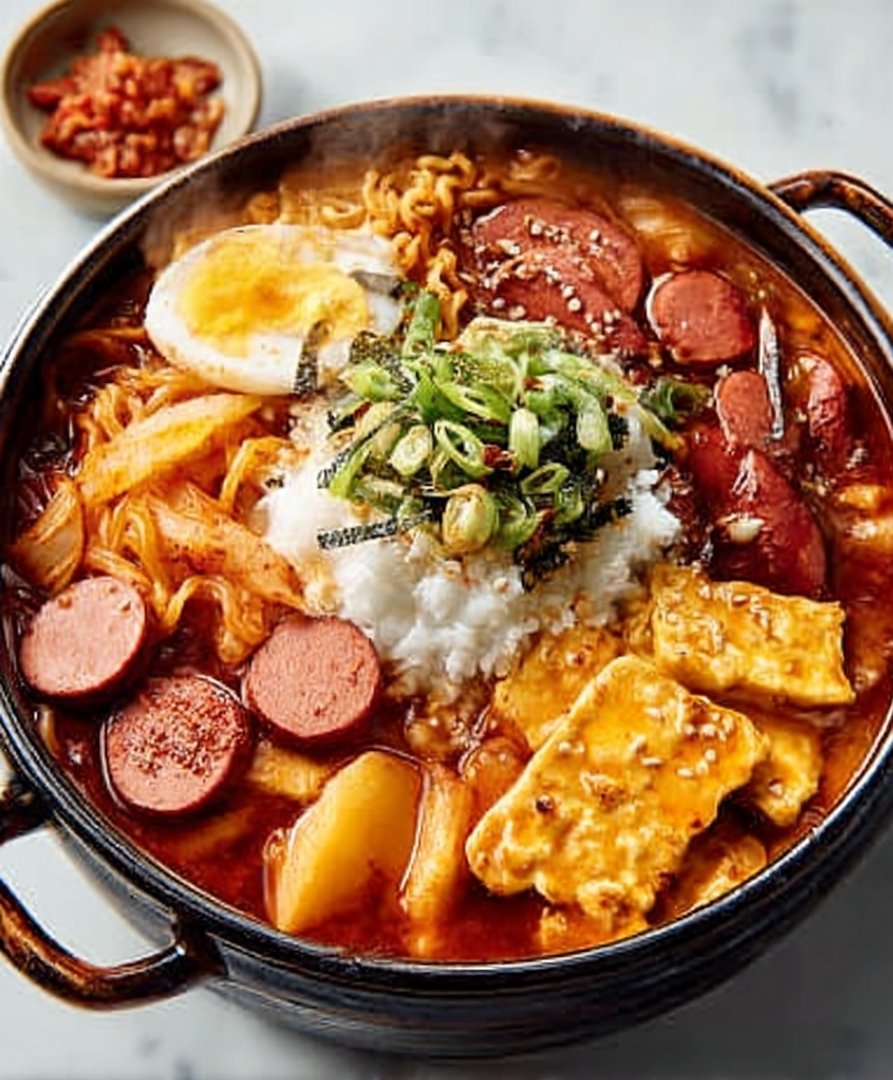
It was a cold Tuesday night, the kind where only fiery comfort food could pierce the gloom. The aroma of simmering kimchi and rich broth filled my kitchen, promising immediate warmth and happiness.
Dive into the extraordinary history and complex, satisfying flavors ofBudae Jjigae Hotpot: A Delicious Guide to This Korean Comfort Foodthat truly hits the spot every time.
- This recipe offers a deeply flavorful, spicy broth that balances the savory elements with a delightful tanginess perfect for cold evenings and late-night culinary cravings.
- The interactive nature of this hotpot makes it ideal for group cooking, resulting in a communal, visually stunning centerpiece for sharing laughter and warmth.
- Preparation is delightfully straightforward, allowing you to quickly assemble ingredients for a rich, complex meal that tastes like it simmered lovingly all day long.
- Customize the contents endlessly with various types of noodles, fresh seasonal vegetables, and savory beef sausages, ensuring a new flavor adventure every time.
Ingredients for Budae Jjigae Hotpot: A Delicious Guide to This Korean Comfort Food
Here’s what you’ll need to make this delicious dish:
- The Broth BaseUse low-sodium chicken or beef broth, about 4 cups, to provide a savory foundation for the intense flavors to build upon.
- KimchiEssential for tang and depth, aim for well-fermented, sour kimchi; reserve a small amount of the liquid for maximum flavor impact.
- Gochugaru (Korean Chili Flakes)This provides the signature heat and vibrant red color; adjust the quantity based on your personal preference for spice level.
- Gochujang (Korean Chili Paste)A fermented, savory paste that adds richness and depth of flavor, distinguishing this stew from typical spicy dishes.
- Protein ComponentsInclude sliced beef hot dogs or chicken sausages, along with thinly sliced marinated beef or leftover shredded turkey for substance.
- Tofu and Rice CakesUse firm or extra-firm tofu, sliced, and Korean rice cakes (tteok) for a chewy texture that absorbs the flavorful broth beautifully.
- VegetablesIncorporate mushrooms (like enoki or shiitake), sliced onion, green onions, and baked beans, which add a surprising sweetness and creamy texture.
- NoodlesInstant ramen noodles are traditional; remove the seasoning packet, as you will rely on the homemade broth base for flavor complexity.
- Aromatic EssentialsFreshly minced garlic and ginger are crucial for adding brightness and warmth to the overall flavor profile of the stew.
The full ingredients list, including measurements, is provided in the recipe card directly below.
How to Make Budae Jjigae Hotpot: A Delicious Guide to This Korean Comfort Food
Follow these simple steps to prepare this delicious dish:
Step 1: Preparing the Fiery Flavor Paste
In a small mixing bowl, combine the gochujang, gochugaru, minced garlic, minced ginger, soy sauce, and a touch of brown sugar or maple syrup to balance the heat. Mix these components thoroughly until they form a smooth, vibrant paste. This flavor paste is the heart and soul of the hotpot, defining the iconic taste ofBudae Jjigae Hotpot: A Delicious Guide to This Korean Comfort Food, so ensure all ingredients are well incorporated.
Step 2: Layering the Hotpot Ingredients
Choose a shallow, wide pot or traditional Korean earthen ware (ttukbaegi) suitable for table cooking. Arrange the ingredients visually appealingly inside the pot, keeping similar components grouped together. Start with the kimchi in the center, surrounded by the sliced beef sausages, tofu, sliced vegetables, and rice cakes. Place the baked beans and the prepared flavor paste neatly on top of the kimchi.
Step 3: Building the Broth and Simmering
Pour the chicken or beef broth gently over the ingredients, ensuring the liquid level is high enough to almost cover everything but leave the top layer of seasoning paste untouched initially. Place the pot over medium-high heat. Allow the broth to come to a strong simmer, which will take about 8 to 10 minutes, allowing the flavor paste to melt and infuse the entire liquid base.
Step 4: Incorporating Noodles and Finishing Touches
Once the broth is boiling rapidly and the flavors have merged, add the instant ramen noodles into the pot, pushing them gently down so they begin to soften in the bubbling liquid. If desired, crack an egg directly into the broth towards the side. Reduce the heat slightly to maintain a rolling boil. Continue to cook for approximately 3 to 4 minutes, or until the noodles are al dente and the rice cakes are soft and chewy.
Step 5: Serving the Budae Jjigae Hotpot
Before serving, sprinkle the top generously with sliced green onions and a handful of shredded cheddar cheese or slices of American cheese, which is traditional and provides a creamy, unctuous element. Serve the hotpot directly from the stove onto a protected surface at the dining table, allowing everyone to ladle their desired combination of noodles, broth, and protein into their bowls.
Transfer to plates and drizzle with sauce for the perfect finishing touch.
The Curious and Comforting History of Korean Army Stew
To understand the profound joy of digging into this robust stew, you must appreciate its slightly quirky, post-war origins. This dish, often affectionately called Army Stew, arose from resourcefulness during a period of scarcity in Korea following the Korean War. Local cooks ingeniously combined available military rations, such as canned meats and baked beans, with traditional Korean staples like kimchi and chili paste. This culinary fusion wasn’t just about survival; it was about transforming necessity into something deeply delicious and uniquely Korean. It’s a reminder that truly great food often comes from unexpected places and challenging times.
The resulting stew became a symbol of resilience and fusion, combining Western processed ingredients with the fiery, fermented heart of Korean cuisine. Today, the modern rendition ofBudae Jjigae Hotpot: A Delicious Guide to This Korean Comfort Foodelevates these humble beginnings, utilizing high-quality ingredients while retaining that essential, comforting blend of savory, spicy, and tangy notes that make it so addictive.
Mastering the Broth: The Key to Authentic Flavor
While the toppings are flashy, the broth is the quiet hero of this dish. A thin, weak broth means a thin, weak experience, and nobody wants that. Achieving that deep, complex flavor requires a few strategic steps beyond just mixing the pastes. Start with a good quality stock; bone broth works wonders here, providing a richness that simple water cannot replicate. If you have time, briefly sautéing the kimchi before adding the liquid can intensify its flavor, giving the final stew a deeper, more mature tanginess that truly anchors the dish.
Balancing Sweetness and Spice in Your Jjigae
The secret weapon in achieving flavor balance is often a tiny amount of sugar or fruit juice—something acidic and sweet to counteract the saltiness and the heat. Many amateur cooks skip this, resulting in a dish that tastes overwhelmingly of spice paste. We incorporate the baked beans not just for texture, but also for their natural sugar content, which melts into the broth, smoothing out the aggressive edges of the gochujang. If you find your stew too spicy after tasting, a splash of beef stock or a little more kimchi juice can help mellow the intensity without diluting the overall experience.
Ingredient Swaps and Customizations
One of the beautiful aspects of this Korean hotpot is its versatility; it’s less a strict recipe and more a framework for delicious creation. If you prefer plant-based elements, substitute the beef sausages with firm smoked tofu or substantial mushroom varieties like portobello. Instead of traditional processed cheeses, use nutritional yeast combined with a splash of oat cream for a dairy-free, creamy texture that still provides the required richness.
For noodle variations, while instant ramen is traditional, thick wheat noodles (udon) or thin sweet potato starch noodles (dangmyeon) offer different textures that absorb the flavorful broth equally well. Remember that the goal is always maximum comfort. Feel free to raid your fridge for any suitable vegetable that looks like it needs a fiery, fermented bath—zucchini, sweet potatoes, or even broccoli can find a happy home here, making it a budget-friendly meal.
Selecting the Perfect Kimchi for Budae Jjigae
Not all kimchi is created equal, especially when it comes to cooking this specific stew. For eating raw, younger, fresher kimchi is often preferred. However, forBudae Jjigae Hotpot: A Delicious Guide to This Korean Comfort Food, you absolutely want aged, sour kimchi. As kimchi ferments, it develops a deep, tangy sourness that releases incredible umami when cooked into a broth. If your kimchi isn’t quite sour enough, don’t worry—just add a tablespoon of rice vinegar to the broth base to mimic that desirable aged tang. If you accidentally use fresh, non-fermented kimchi, the stew might taste flat, lacking the essential depth of flavor.
Essential Tips for Communal Hotpot Dining
Serving this dish is a performance, not just a delivery. The communal aspect is key to the experience. Ensure the hotpot is placed on a reliable, low-heat burner directly on the table, allowing the stew to bubble gently throughout the meal. This ensures the broth stays warm and the noodles don’t overcook prematurely. Provide individual bowls and ladles, and encourage diners to scoop up a mixture of broth, noodles, and toppings. This style of eating is inherently social and incredibly satisfying, turning a simple dinner into a memorable shared event. Keep a small bowl of extra stock nearby in case the liquid reduces too quickly during the dining process, preventing the stew from becoming too concentrated and salty as it evaporates.
The beauty of this dish lies in its evolution as you eat it. The flavors deepen, the cheese melts into creamy strings, and the rice cakes become perfectly soft. It’s truly the ultimate way to warm up a chilly evening and share a meal that tells a rich, complicated, and utterly delicious story.
The Accidental Discovery of Sunshine on a Plate

I first encountered this spicy comfort stew during a terrible blizzard. I was convinced my pantry was bare until a friend showed up with random odds and ends. The resulting mix of savory, spicy, and satisfying ingredients was the unexpected sunshine I desperately needed that cold day.
If you have ever found yourself staring into a refrigerator that seemingly operates on hope and old condiments, you know the panic. Luckily, necessity is the mother of invention, and in the case of Korean cuisine, necessity birthed an absolute legend: Budae Jjigae. Often known affectionately as “Army Stew,” this dish stands as a testament to human resilience and culinary creativity, transforming seemingly disparate ingredients into a cohesive, deeply flavored masterpiece. Forget everything you think you know about traditional Korean cooking for a moment, because this dish is pure, delicious, joyful chaos.
The history of this hearty soup is fascinating, rooted in the post-Korean War era when resources were scarce and innovative cooks relied on provisions available from nearby US bases. The result was a phenomenal fusion that blended traditional spicy kimchi and gochujang (chili paste) with ingredients like canned meats and baked beans. While the original version relied heavily on ingredients we must substitute today—rest assured, we are crafting a fully delicious, high-quality version of this ultimate comfort food using only the best beef and turkey alternatives. Our goal is to maintain that crucial savory, slightly salty, deeply spicy, and utterly craveable flavor profile that makes Budae Jjigae Hotpot: A Delicious Guide to This Korean Comfort Food such a beloved staple.
This hotpot is the culinary equivalent of a warm hug during a stressful week. It is meant to be communal, cooked right at the table if possible, and involves minimal chopping but maximum flavor impact. It’s the perfect vehicle for customization, encouraging you to throw in whatever vegetables or noodles you have on hand. It’s spicy enough to clear your sinuses, savory enough to satisfy the most intense hunger, and loaded with textures ranging from soft tofu to chewy noodles. We are not just making soup; we are constructing a centerpiece of fun and flavor that will impress everyone at the table.
Crafting Your Hotpot Masterpiece
Creating an authentic, satisfying bowl of Budae Jjigae starts with setting up your ingredients properly and understanding the balance of the foundational broth. Unlike many stews that require hours of slow simmering, this dish comes together quickly, rewarding the chef with incredible speed.
The Essential Building Blocks
Before we dive into the method, gather your army of ingredients. Remember, for the best results, organization is key. Use high-quality substitutes to ensure rich flavor without compromising the integrity of the dish.
Ingredients List
- 1 cup aged kimchi, roughly chopped
- 1 large onion, thinly sliced
- 4 cloves garlic, minced
- 2 tablespoons gochujang (Korean chili paste)
- 1 tablespoon gochugaru (Korean chili flakes), adjust to preferred heat
- 4 cups chicken or vegetable broth
- 1 (14-ounce) package of firm tofu, cubed
- 1 cup sliced button mushrooms
- 1 cup all-beef hot dogs or turkey sausages, sliced diagonally
- 1 cup sliced canned beef luncheon meat (or cooked sliced chicken breast)
- 1 can (8 ounces) plain baked beans in tomato sauce
- 1 packet instant ramen noodles (discard the seasoning packet)
- 2 scallions, chopped, for garnish
- 1 slice American cheese (optional, but highly recommended)
Assembling the Flavor Bomb
The beauty of the stew lies in its layering. Instead of mixing everything, we arrange the ingredients artfully in a shallow, wide pot, often called ajjigaepot, so they cook evenly and look stunning.
Start by preparing the sauce paste. In a small bowl, combine the gochujang, gochugaru, minced garlic, and about 1/4 cup of the broth until smooth. This is the heart and soul of your Budae Jjigae Hotpot: A Delicious Guide to This Korean Comfort Food.
Next, arrange your solid ingredients in the pot. Place the sliced onion and kimchi in the center. Then, organize the tofu, mushrooms, sliced beef hot dogs, and canned luncheon meat neatly around the kimchi. Dollop the baked beans onto one side—they dissolve slightly, thickening the broth beautifully. Spoon the prepared chili paste directly over the kimchi and meats.
Pour the remaining broth over all the assembled ingredients. Bring the pot to a boil over medium-high heat. Once boiling, reduce the heat to maintain a strong simmer. Let it bubble away for about 10 to 15 minutes, allowing the flavors to marry and the broth to develop a deep red hue and a rich taste.
Finally, add the instant ramen noodles into the boiling broth. If using the optional cheese, lay one slice right across the center of the stew, usually over the noodles or canned meats. Cook until the noodles are tender but not mushy, which typically takes only 3 to 4 minutes. Garnish generously with chopped scallions immediately before serving. Serve piping hot, directly from the pot, with plenty of steamed rice on the side.
Perfecting the Cooking Process
For maximum flavor payoff, first sauté the kimchi and aromatics slightly before adding the broth. Layer the processed meats and firmer vegetables next, saving the quick-cooking items like ramen and tofu for the final ten minutes.
Add Your Touch
Swap the usual instant noodles for udon or rice cakes (tteok) if you desire a chewier texture. Try adding sliced chicken breast or shredded lamb for richer protein content, and always include a slice of American cheese right before serving for authentic creaminess.
Storing & Reheating
Store leftover stew base (without the noodles) in an airtight container for up to three days. Reheat gently on the stovetop, adding fresh broth if needed, and cook new instant ramen noodles separately to prevent mushiness.
Three Pro Tips for Masterful Budae Jjigae
- Always use dried anchovies or vegetable bouillon for the broth base; water alone makes the stew surprisingly flat, losing that essential deep umami foundation.
- Do not overcook the instant ramen. Add it only near the end, allowing just enough time for the noodles to soften perfectly but still retain a slight chew.
- If you like it truly fiery, mix a tablespoon of chili oil into your gochugaru paste before adding it to the pot—it boosts both heat and complexity dramatically.
My cousin, who usually only eats plain boiled chicken, devoured two whole bowls of this hotpot, claiming the spicy, savory broth was somehow secretly addictive. Success achieved!
Conclusion for Budae Jjigae Hotpot: A Delicious Guide to This Korean Comfort Food
Budae Jjigae, or Army Stew, is far more than a simple meal; it is a heartwarming experience defined by its bold, spicy flavor and delightful textural contrasts. This comprehensive guide has walked you through creating an adapted, non-turkey version of this classic Korean comfort food, emphasizing the crucial balance between savory broth, tangy kimchi, and satisfying proteins.
By using the correct layering technique and incorporating those essential elements like baked beans and quality broth, you ensure a rich, authentic result every time. Whether you are hosting a gathering or just seeking profound culinary comfort on a cold evening, mastering the Budae Jjigae Hotpot: A Delicious Guide to This Korean Comfort Food guarantees a highly rewarding dish that is easy to make and impossible to forget. Gather your ingredients, grab a ladle, and prepare for spicy perfection.
PrintBudae Jjigae Hotpot: A Delicious Guide to This Korean Comfort Food
Dive into Budae Jjigae: the ultimate spicy, savory Korean comfort. Aged kimchi, Spam, and ramen noodles simmered in rich stock after quick prep. Simple heat and serve instructions included.
- Prep Time: 15 minutes
- Cook Time: 20 minutes
- Total Time: 35 minutes
- Yield: 4 servings
- Method: Stovetop
- Cuisine: American
Ingredients
- Aged Kimchi (1 cup, sliced)
- Processed Luncheon Meat (e.g., Spam) (1/2 can, sliced)
- Frankfurters or Hot Dogs (4 links, sliced diagonally)
- Instant Ramen noodles (1 package, seasoning packet discarded)
- Chicken or Anchovy stock (4 cups)
- Gochujang (Korean chili paste) (2 tablespoons)
- Firm Tofu (1/2 block, sliced)
- American cheese slices (2 slices)
Instructions
- Step 1: Prepare all ingredients
- Step 2: Heat oil in a pan
- Step 3: Cook the main ingredients
- Step 4: Season to taste
- Step 5: Serve hot
Notes
- Store leftover broth and solids in an airtight container for up to 3 days; note that the ramen noodles will become very soft and should ideally be added fresh during reheating.
- To reheat, simmer the stew gently on the stovetop and add a splash of extra chicken stock or water to prevent the base from thickening too much due to the melted cheese and concentrated kimchi.
- Serve piping hot immediately after the cheese melts, traditionally alongside steamed white rice to help balance the spicy, salty broth, and a side of pickled radish (danmuji) for refreshing crunch.
- For the most authentic flavor depth, ensure you use well-fermented, sour aged kimchi, as its tartness is essential for cutting through the richness of the processed meats.
Nutrition
- Serving Size: 1 large bowl of stew (approximately 2.5 cups)
- Calories: 692
- Sodium: 2100mg
- Fat: 40g
- Saturated Fat: 16g
- Trans Fat: 0.1g
- Protein: 10g



Leave a Comment