
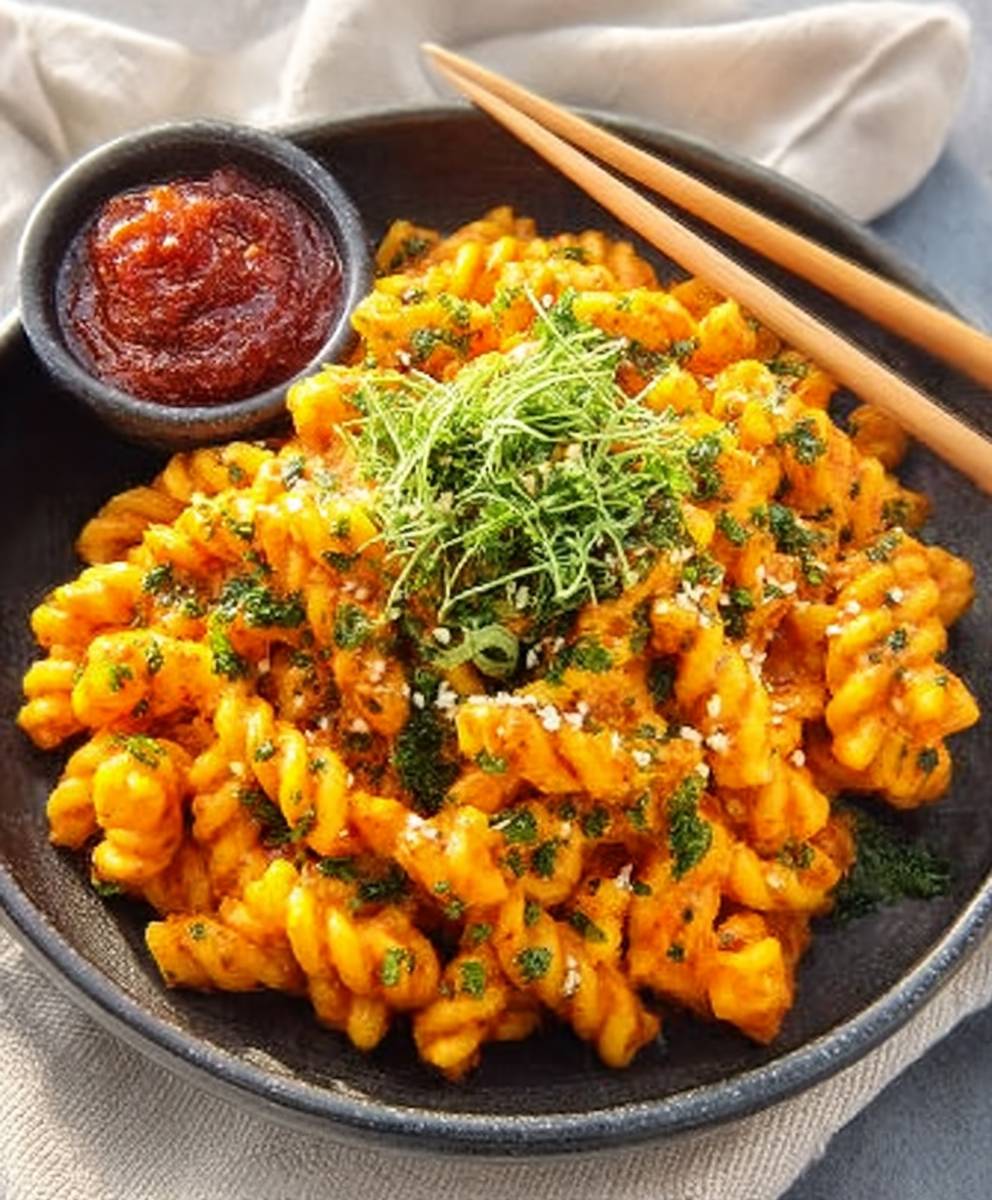
Gochujang Pasta is a delightful fusion dish that brings together the rich, spicy flavors of Korean cuisine with the comforting essence of Italian pasta. As someone who loves experimenting in the kitchen, I can assure you that this recipe is not only easy to prepare but also incredibly satisfying. The history of gochujang, a traditional Korean fermented chili paste, dates back centuries and has become a staple in many households, celebrated for its unique balance of heat and sweetness.
People adore Gochujang Pasta for its bold flavor profile and creamy texture, making it a perfect weeknight meal that can be whipped up in under 30 minutes. The combination of the umami-rich gochujang with the al dente pasta creates a dish that is both comforting and exciting. Whether you’re a fan of spicy food or just looking to try something new, this recipe is sure to impress your taste buds and become a favorite in your culinary repertoire.

Ingredients:
- 8 oz (225 g) pasta of your choice (spaghetti, fettuccine, or penne work well)
- 2 tablespoons olive oil
- 3 cloves garlic, minced
- 1 small onion, finely chopped
- 1 cup cherry tomatoes, halved
- 1 cup spinach leaves, fresh
- 1/2 cup heavy cream
- 3 tablespoons gochujang (Korean chili paste)
- 2 tablespoons soy sauce
- 1 tablespoon honey or maple syrup
- Salt and pepper to taste
- 1/4 cup grated Parmesan cheese (optional)
- Fresh basil or cilantro for garnish
Preparing the Pasta
- Start by bringing a large pot of salted water to a boil. The salt will help flavor the pasta as it cooks.
- Once the water is boiling, add the pasta and cook according to the package instructions until al dente. This usually takes about 8-10 minutes.
- While the pasta is cooking, reserve about 1 cup of the pasta water, then drain the pasta in a colander and set it aside.
Making the Sauce
- In a large skillet, heat the olive oil over medium heat. Once the oil is hot, add the minced garlic and chopped onion. Sauté for about 2-3 minutes until the onion becomes translucent and the garlic is fragrant.
- Add the halved cherry tomatoes to the skillet. Cook for another 3-4 minutes, stirring occasionally, until the tomatoes start to soften and release their juices.
- Next, add the fresh spinach leaves to the skillet. Stir them in and cook for about 1-2 minutes until they wilt down.
- In a small bowl, combine the heavy cream, gochujang, soy sauce, and honey (or maple syrup). Whisk until smooth and well combined.
- Pour the gochujang mixture into the skillet with the vegetables. Stir well to combine everything, allowing the sauce to simmer for about 2-3 minutes. If the sauce is too thick, add a little reserved pasta water to reach your desired consistency.
Combining Pasta and Sauce
- Once the sauce is ready, add the drained pasta to the skillet. Toss everything together gently, ensuring that the pasta is well coated with the sauce.
- Season with salt and pepper to taste. If you like a bit more heat, feel free to add an extra spoonful of gochujang at this stage.
- If you’re using Parmesan cheese, sprinkle it over the pasta and toss again until it melts into the sauce.
Serving the Dish
- Once everything is well combined, remove the skillet from the heat.
- Plate the pasta into serving bowls. You can garnish with fresh basil or cilantro for a pop of color and added flavor.
- For an extra touch, drizzle a little olive oil over the top and sprinkle with additional Parmesan cheese if desired.
- Serve immediately while hot, and enjoy the delightful fusion of flavors!
Tips and Variations
- Protein Additions: You can add grilled chicken, shrimp, or tofu for a protein boost. Simply cook them separately and toss them in with the pasta.
- Vegetable Variations: Feel free to add other vegetables like bell peppers, zucchini, or mushrooms to the sauce for more texture and flavor.
- Spice Level: Adjust the amount of gochujang based on your spice preference. Start with less if you’re unsure, and add more to taste.
- Vegan Option: Substitute heavy cream with coconut cream or a plant-based cream alternative, and skip the cheese or use a vegan cheese substitute.
Storing Leftovers
- Store any leftover pasta in an airtight container in the refrigerator for up to 3 days
Conclusion:
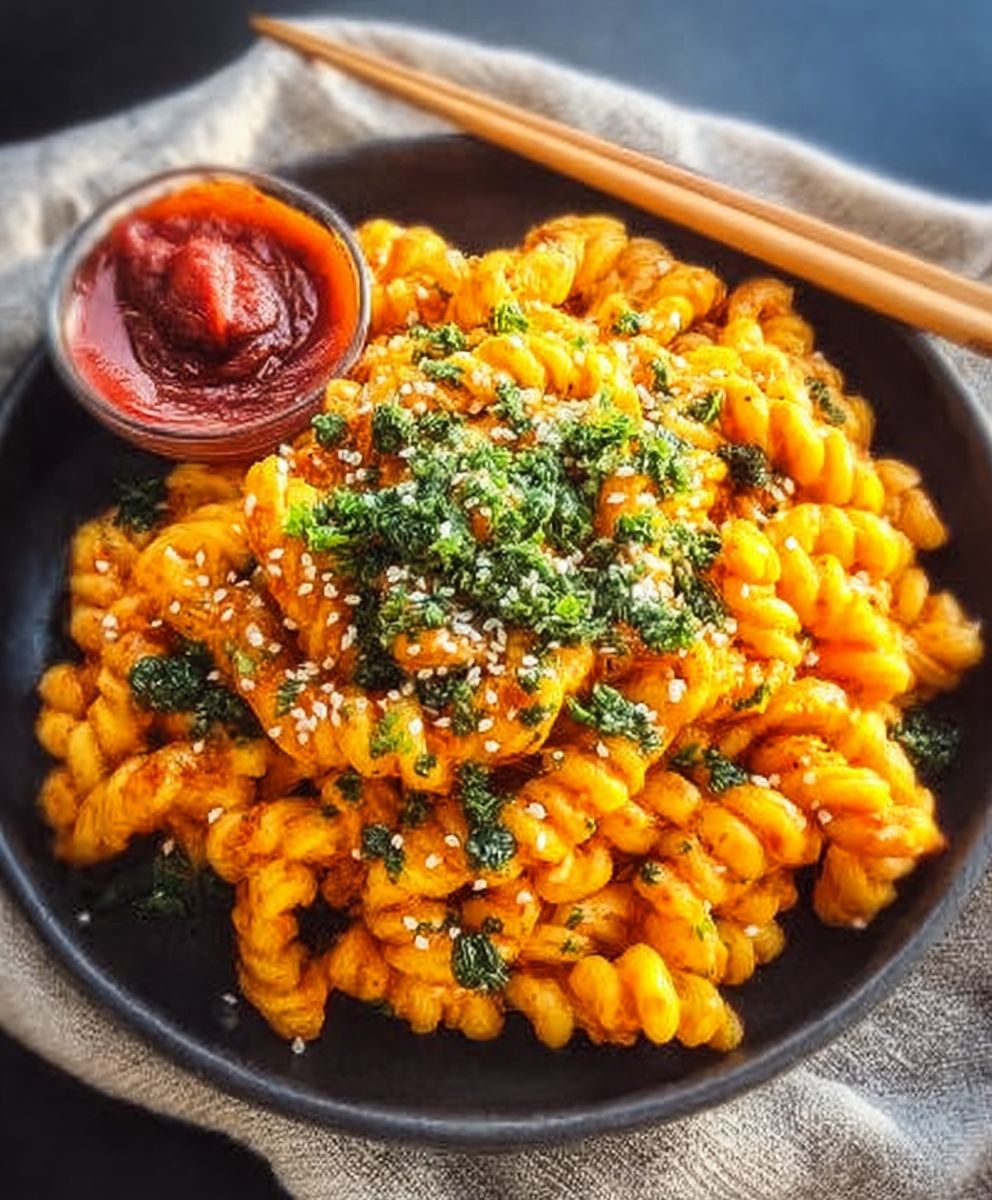
If you’re looking for a dish that combines the rich, savory flavors of Korean cuisine with the comforting familiarity of pasta, then this Gochujang Pasta is an absolute must-try! The unique blend of gochujang, garlic, and sesame oil creates a sauce that is both spicy and umami-rich, elevating your typical pasta experience to something truly extraordinary. Not only is it delicious, but it also comes together in a matter of minutes, making it perfect for busy weeknights or when you want to impress guests without spending hours in the kitchen.
When it comes to serving suggestions, the possibilities are endless! You can top your Gochujang Pasta with a sprinkle of toasted sesame seeds and freshly chopped green onions for an added crunch and burst of flavor. For those who enjoy a bit of protein, consider adding grilled chicken, shrimp, or even tofu for a vegetarian option. If you’re feeling adventurous, try tossing in some sautéed vegetables like bell peppers, zucchini, or spinach to enhance the dish’s nutritional value and add a pop of color.
For a twist on the traditional recipe, you might want to experiment with different types of pasta. While spaghetti is a classic choice, why not try using whole wheat or gluten-free pasta for a healthier alternative? You could also swap out the gochujang for a different spicy sauce, like sriracha or harissa, to create your own unique version of this dish. The beauty of Gochujang Pasta lies in its versatility, allowing you to customize it to suit your taste preferences.
I encourage you to give this Gochujang Pasta recipe a try and experience the delightful fusion of flavors for yourself. Once you’ve made it, I’d love to hear about your experience! Did you stick to the original recipe, or did you make your own variations? Share your thoughts and any creative twists you added in the comments below. Your feedback not only helps me improve but also inspires others in our cooking community to try this fantastic dish.
So, gather your ingredients, put on your apron, and get ready to enjoy a bowl of Gochujang Pasta that’s bursting with flavor and warmth. Trust me, once you take that first bite, you’ll be hooked! Happy cooking!
Gochujang Pasta: A Spicy Twist on Classic Italian Dishes
This creamy gochujang pasta features a delightful blend of rich heavy cream and spicy Korean chili paste, tossed with fresh vegetables and your choice of pasta. It's a quick, satisfying meal that brings a unique fusion of flavors to your dinner table, perfect for any night of the week.
Ingredients
- 8 oz (225 g) pasta of your choice
- 2 tablespoons olive oil
- 3 cloves garlic, minced
- 1 small onion, finely chopped
- 1 cup cherry tomatoes, halved
- 1 cup spinach leaves, fresh
- 1/2 cup heavy cream
- 3 tablespoons gochujang (Korean chili paste)
- 2 tablespoons soy sauce
- 1 tablespoon honey or maple syrup
- Salt and pepper to taste
- 1/4 cup grated Parmesan cheese (optional)
- Fresh basil or cilantro for garnish
Instructions
- Start by bringing a large pot of salted water to a boil.
- Once the water is boiling, add the pasta and cook according to the package instructions until al dente (about 8-10 minutes).
- While the pasta is cooking, reserve about 1 cup of the pasta water, then drain the pasta in a colander and set it aside.
- In a large skillet, heat the olive oil over medium heat.
- Once hot, add the minced garlic and chopped onion. Sauté for about 2-3 minutes until the onion becomes translucent and the garlic is fragrant.
- Add the halved cherry tomatoes to the skillet. Cook for another 3-4 minutes, stirring occasionally, until the tomatoes start to soften and release their juices.
- Next, add the fresh spinach leaves to the skillet. Stir them in and cook for about 1-2 minutes until they wilt down.
- In a small bowl, combine the heavy cream, gochujang, soy sauce, and honey (or maple syrup). Whisk until smooth and well combined.
- Pour the gochujang mixture into the skillet with the vegetables. Stir well to combine everything, allowing the sauce to simmer for about 2-3 minutes. If the sauce is too thick, add a little reserved pasta water to reach your desired consistency.
- Once the sauce is ready, add the drained pasta to the skillet. Toss everything together gently, ensuring that the pasta is well coated with the sauce.
- Season with salt and pepper to taste. If you like a bit more heat, feel free to add an extra spoonful of gochujang at this stage.
- If you’re using Parmesan cheese, sprinkle it over the pasta and toss again until it melts into the sauce.
- Once everything is well combined, remove the skillet from the heat.
- Plate the pasta into serving bowls. Garnish with fresh basil or cilantro for a pop of color and added flavor.
- For an extra touch, drizzle a little olive oil over the top and sprinkle with additional Parmesan cheese if desired.
- Serve immediately while hot, and enjoy the delightful fusion of flavors!
Notes
- Protein Additions: You can add grilled chicken, shrimp, or tofu for a protein boost. Simply cook them separately and toss them in with the pasta.
- Vegetable Variations: Feel free to add other vegetables like bell peppers, zucchini, or mushrooms to the sauce for more texture and flavor.
- Spice Level: Adjust the amount of gochujang based on your spice preference. Start with less if you’re unsure, and add more to taste.
- Vegan Option: Substitute heavy cream with coconut cream or a plant-based cream alternative, and skip the cheese or use a vegan cheese substitute.
- Store any leftover pasta in an airtight container in the refrigerator for up to 3 days.


Leave a Comment