
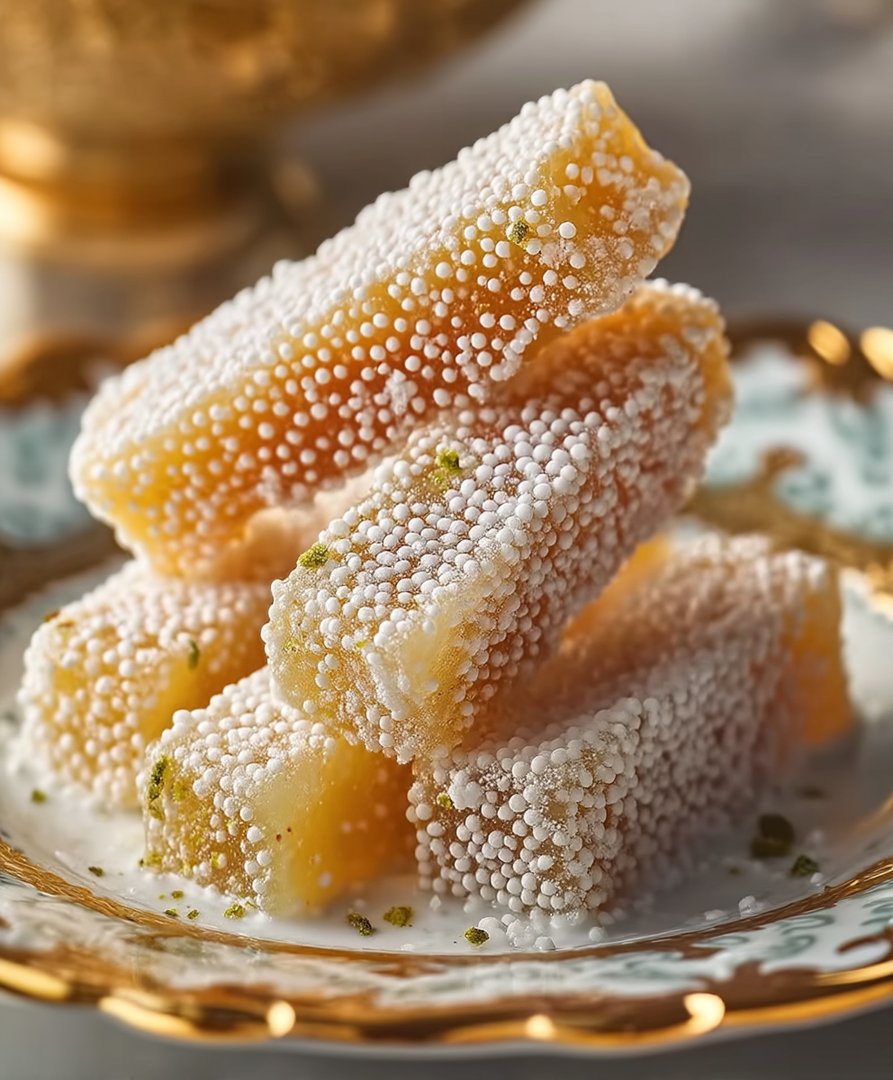
The scent of toasted sesame and rich golden honey always transports me back to my grandmother’s sun-drenched kitchen. She knew the secret to true happiness was a perfectly balanced, utterly unforgettable sweet. Forget those complicated, fussy desserts; the true magic of the Aegean lies in simplicity. Today, we delve into the world of the ultimateGreek Candy Treat: Discover Delicious Traditional Sweetsthat require just a few pantry staples and zero stress.
Ready in under 15 minutes, these bars are the perfect no-bake solution for unexpected sweet cravings or last-minute, delightful guest appearances.
Enjoy the complex, nutty flavor of toasted sesame seeds perfectly paired with the golden, robust sweetness of high-quality real honey.
Their rustic, golden appearance and satisfying crunch make them look like treasures pulled straight from an ancient Mediterranean bazaar ready for savoring.
Great as an energy booster, a light dessert, or a sophisticated accompaniment to a strong cup of Greek coffee or calming herbal mountain tea.
The Sweet History of Pasteli: The Ancient Energy Bar
You might think energy bars are a modern invention cooked up in a pflanzliches lab, but the Greeks mastered the grab-and-go snack centuries ago. Long before protein powder and complex wrappers, there was Pasteli. This isn’t just a confection; it’s a piece of edible history. Written about by the historian Herodotus in the 5th century BC, Pasteli—our focus Greek candy treat—was originally known assesamis, and sometimes calledkopti. It served as a vital energy source for ancient athletes preparing for the Olympic Games and for soldiers marching long distances. Try to imagine sprinting the ancient stadium after eating a highly processed, sugary snack; it just wouldn’t work. The ancients knew that the combination of powerful, nutrient-dense sesame seeds and natural honey provided sustained energy that modern treats often fail to deliver.
There is a fantastic, slightly unbelievable legend that surrounds Pasteli’s origin, particularly related to the island of Rhodes. The story goes that when two lovers were separated by a curse, their families offered them a piece of Pasteli to ensure their love remained sticky and unbreakable, much like the honey binder holding the seeds together. While that might just be a charming story designed to sell more sweets, it highlights how deeply interwoven these simple sweets are within Greek culture and tradition. Every time I prepare this recipe, I feel a connection to that deep history, knowing that I am stirring a pot that echoes the kitchens of antiquity. It is a wonderfully satisfying feeling, far better than opening a pre-packaged snack, guaranteed.
In modern Greece, you find Pasteli everywhere, from high-end bakeries to simple street vendors. Unlike many other elaborate desserts, Pasteli respects its core ingredients: it doesn’t hide them beneath layers of complicated flavors or unnecessary sugar. It is pure, honest flavor. The simplicity is the genius. When people ask for a traditional Greek sweet that truly represents the country’s culinary heart, I always point them towards this sesame-honey marvel. It captures the essence of the Mediterranean diet in a single, perfectly crunchy bite. It’s the original clean eating snack, delivered with a hefty dose of history and unmistakable crunch.
Why You Need a Greek Candy Treat: Discover Delicious Traditional Sweets in Your Life
Life is stressful. Between deadlines, traffic, and deciding what to watch on streaming services, who has time for complicated baking projects? I once spent four hours attempting a French meringue only for it to weep uncontrollably, turning my kitchen into a sugary crime scene. That’s when I ran back to the reliable embrace of the Pasteli. This is the ultimate low-effort, high-reward dessert. It requires minimal technique but delivers maximum flavor and satisfaction, proving that sometimes, the simplest things are truly the best. You get to skip the oven entirely, which is always a bonus, especially during the sweltering summer months when turning on the oven feels like an act of culinary aggression.
Beyond the ease of preparation, this specific confection is a powerhouse of health benefits. Sesame seeds are packed with lignans, fiber, and healthy fats. When paired with high-quality, unadulterated honey, which offers natural antioxidants and a boost of immune-supporting properties, you have a treat that actually contributes positively to your well-being. It’s the perfect guilt-free indulgence. My favorite way to enjoy it is after a long lunch, served alongside a small cup of strong, dark Greek coffee—the intense flavor pairing is exquisite. The bitterness of the coffee perfectly cuts through the honey’s sweetness, creating a balanced, harmonious ending to any meal.
Moreover, introducing aGreek Candy Treat: Discover Delicious Traditional Sweetslike Pasteli into your baking repertoire is a guaranteed crowd-pleaser. People expect cakes and cookies, but when you present them with these rustic, golden bars, they are instantly intrigued. They keep well, travel beautifully, and make fantastic homemade gifts. You can customize them easily too, adding spices like cinnamon or nutmeg, or incorporating different types of nuts, which we will explore shortly. If you are looking for a recipe that feels authentic, tastes incredible, and doesn’t require a culinary degree or hours of clean-up, look no further than these golden nuggets of sunshine.
Choosing the Best Honey and Sesame Seeds
The success of Pasteli hinges entirely on the quality of its two main stars: the sesame seeds and the honey. Since this recipe has so few components, you cannot afford to skimp on quality. For the honey, seek out a dark, robust variety, ideally thyme or wildflower honey from Greece or a local, minimally processed version. Avoid thin, highly filtered commercial honey, as it often lacks the necessary viscosity and complexity of flavor. The honey must be thick enough to bind the seeds without crystallizing too quickly once cooled. If your honey is runny, the resulting Pasteli will be too soft and won’t hold its shape when sliced. Trust me, the extra investment in good quality honey pays dividends in both texture and taste.
The sesame seeds require a little more active attention. They must be perfectly toasted. Raw sesame seeds taste flat and dull, but toasted ones burst with nutty, deep flavor. Toast them gently in a dry pan over medium heat, stirring constantly, for about 5 to 7 minutes until they are fragrant and turn a light golden color. Watch them like a quail! Sesame seeds move quickly from perfectly toasted to utterly burnt, and there is no coming back from that bitterness. Once toasted, immediately transfer them out of the hot pan onto a cool plate to stop the cooking process. For added depth, consider mixing in a handful of finely chopped, lightly toasted pistachios or slivered almonds along with the sesame seeds. These additions are optional but highly recommended if you enjoy a more complex nut profile.
Ingredients for Greek Candy Treat: Discover Delicious Traditional Sweets
Here’s what you’ll need to make this delicious dish:
- Sesame SeedsUse hull-on sesame seeds for maximum nutritional value and a beautiful, rustic texture; ensure they are toasted before use.
- Good Quality HoneyOpt for a thick, natural, and aromatic honey like thyme or wildflower, as its flavor will be the dominant element of the candy.
- Granulated SugarA small amount of sugar helps stabilize the honey and prevent crystallization, ensuring the final product remains beautifully chewy.
- Pistachios or Almonds (Optional)If you desire a textural contrast, add a quarter cup of finely chopped, lightly toasted nuts for added richness.
- Fresh Lemon JuiceA splash of citrus brightens the flavor and, crucially, helps prevent the sugar mixture from hardening too quickly while you are working with it.
- Ground CinnamonA small dash is perfect for warming the flavor profile, particularly if you are serving this during the cooler months.
The full ingredients list, including measurements, is provided in the recipe card directly below.
How to Make Greek Candy Treat: Discover Delicious Traditional Sweets
Follow these simple steps to prepare this delicious dish:
-
Step 1: Toast and Prep the Seeds
Spread the sesame seeds (and optional nuts) on a dry, heavy-bottomed pan over medium heat. Toast for 5 to 7 minutes, stirring constantly until they release a nutty aroma and become light golden. Immediately pour the toasted seeds onto a baking sheet lined with parchment paper or a silicone mat, allowing them to cool slightly while you prepare the syrup.
-
Step 2: Create the Honey Syrup
In the same pan, combine the honey, granulated sugar, and lemon juice. Heat the mixture over medium-low heat, stirring until the sugar completely dissolves. Once dissolved, increase the heat to medium and bring the mixture to a low boil. Allow it to boil gently for 5 to 8 minutes, without stirring, until the temperature reaches approximately 250°F (121°C), which is the firm-ball stage on a candy thermometer. The syrup should look slightly thick and caramel-colored.
-
Step 3: Combine and Coat
Remove the honey syrup from the heat immediately. Stir in the toasted sesame seeds and any ground cinnamon until the seeds are completely coated by the sticky mixture. This step must be done quickly, as the mixture will start to set almost immediately once off the heat.
-
Step 4: Form the Pasteli Bars
Pour the hot mixture directly onto the same parchment-lined baking sheet you used earlier. Place a second piece of parchment paper on top and quickly use a rolling pin to flatten the mixture evenly to about a quarter-inch thickness. If you prefer round shapes, you can press the mixture firmly into a large, flat dish instead of rolling.
-
Step 5: Score and Cool
While the Pasteli is still warm and pliable (after about 3 to 5 minutes), use a sharp, lightly oiled knife to score the surface into your desired bar or diamond shapes. Do not cut all the way through yet, just score the lines deeply. Allow the Pasteli to cool and fully set at room temperature for at least 30 minutes before breaking the bars apart along the scored lines.
Transfer the final, crunchy bars to a serving platter. Drizzle with a tiny bit of extra honey just before serving for the perfect finishing touch and added sheen.
Troubleshooting Your Pasteli Perfection
Making Pasteli is simple, but working with hot sugar and honey requires speed and precision. Here are answers to common issues that sometimes trip up even experienced home cooks attempting this fantastic treat.
Why is my Pasteli crumbling instead of holding its shape?
This is almost always a temperature issue. If the honey syrup was not cooked long enough (below 250°F), it won’t be hard enough to bind the seeds firmly when cooled, resulting in loose, crumbly Pasteli. Conversely, if you cook the syrup too long (above 265°F), it will become brittle and snap, making it difficult to chew. Use a candy thermometer for precise results, aiming specifically for the 250°F mark.
Can I use different nuts or seeds in the recipe?
Absolutely! The beauty of thisGreek Candy Treatis its flexibility. While sesame is traditional, you can substitute up to half of the sesame seeds with other toasted options like pumpkin seeds, sunflower seeds, or crushed walnuts. Be sure to toast any substitutions well to enhance their flavor before mixing them into the hot honey syrup.
How should I store Pasteli to keep it fresh?
Store your finished Pasteli in an airtight container at room temperature. Because it’s primarily sugar and honey, it lasts incredibly well—often for several weeks—provided it is protected from humidity. If stored properly, it retains its crispness and chewy texture beautifully, making it an excellent candidate for meal prep or long-distance gifting.
Can I make Pasteli softer or chewier?
The texture is directly related to the syrup temperature. To achieve a slightly softer, chewier bar, you can stop heating the syrup just slightly earlier, closer to 240°F (soft-ball stage). If you want them harder and crunchier, push the temperature slightly higher towards 260°F (hard-ball stage). Remember that the lower the temperature, the more quickly the bars must be formed before setting.
My yiayia (grandmother) always claimed that a well-fed soul needed a sugar boost derived directly from the earth. Forget fussy, complicated French pâtisseries; in Greece, dessert is glorious, simple, and often drenched in sunshine and honey. We’re talking about the sweets that taste like history—the ones that travel across time, fueled only by pure ingredients and perhaps a hefty dose of grandmotherly approval.
There is a specific, unparalleled delight that comes from biting into a traditional sweet forged centuries ago, a sweet that demands respect and a napkin. Today, we dive deep into one of the most ancient and beloved forms of confectionery: Pasteli. It is, quite frankly, the quintessentialGreek Candy Treat: Discover Delicious Traditional Sweetshidden in plain sight.
The Unassuming Majesty of Sesame and Honey
Pasteli might look humble—just a bar of pressed sesame seeds and honey—but do not let its simplicity fool you. This is the original energy bar, dating back to antiquity. Homer even references something similar, meaning generations of philosophers, warriors, and notoriously loud relatives have sustained themselves on this sticky, nutty wonder. Making Pasteli is less about baking and more about coaxing a beautiful relationship between two perfect ingredients: golden honey and toasted sesame seeds.
The beauty of this Greek sweet lies in its textural contrast: crunchy seeds locked together by chewy, rich, caramelized honey. It requires patience and attention, but the payoff is a naturally sweet, incredibly healthy snack that keeps well and makes you feel instantly transported to a sunny Aegean hillside. Forget complicated recipes; sometimes, two ingredients are all you need to achieve dessert perfection.
Ingredients for Traditional Pasteli
You might already have these pantry staples, proving that the best traditional sweets require zero fanfare, just quality sourcing. Remember, the better the honey, the better your Pasteli will be. Look for thick, unfiltered thyme or flower honey if possible.
- 1 cup (150g) raw sesame seeds
- 1/2 cup (170g) pure Greek honey (or high-quality, thick set honey)
- 2 tablespoons granulated sugar (optional, helps prevent crystallization)
- 1 teaspoon fresh lemon juice (acts as a natural emulsifier)
- Pinch of sea salt
Equipment Essentials
You don’t need fancy tools to make this traditional sweet, but a good non-stick saucepan and parchment paper are crucial to managing the inevitable stickiness. Sesame seeds, honey, and sticky situations go hand-in-hand, so prepare for a little kitchen combat.
- Heavy-bottomed saucepan or deep skillet
- Sturdy wooden spoon or silicone spatula
- Parchment paper
- Rolling pin
Mastering the Ancient Art of Pasteli Making
We are going back thousands of years here, so treat this process with the respect it deserves. We are making food fit for the gods (or at least, your very demanding extended family). This recipe yields approximately 12 to 16 small bars, depending on how thick you roll them out.
Phase 1: Toasting the Sesame Seeds
Preheat a dry skillet over medium-low heat. Add the sesame seeds and toast them gently, stirring constantly. This step is non-negotiable; toasted seeds bring out a deep, nutty flavor that raw seeds simply cannot match. Once they turn light golden and smell fragrant (about 5-7 minutes), remove them immediately and set them aside on a clean plate. Be careful not to burn them; burnt seeds taste bitter and will ruin your delightfulGreek Candy Treat.
Phase 2: The Honey Syrup Stage
In the heavy-bottomed saucepan, combine the honey, granulated sugar, and lemon juice. Place this mixture over medium heat. Stir constantly until the sugar dissolves and the mixture begins to bubble vigorously. Once bubbling, insert a candy thermometer if you have one. You are aiming for the “soft ball” stage, around 245°F (118°C). If you don’t have a thermometer, let the honey boil for exactly 7 minutes, keeping the heat steady so it bubbles but does not scorch. The mixture should thicken noticeably and achieve a light caramel color.
Phase 3: Combining the Magic
Remove the honey mixture from the heat instantly. Stir in the toasted sesame seeds and the pinch of sea salt. Work quickly and efficiently here. The mixture will stiffen rapidly as the honey cools. Use a strong wooden spoon to ensure every single seed is coated thoroughly in the sticky gold. If you hesitate, the mixture will become too hard to shape.
Phase 4: Shaping and Cooling
Lay out a sheet of parchment paper on a flat surface. Pour the sesame and honey mixture onto the parchment paper. Place a second sheet of parchment paper over the top. Using a rolling pin, roll the mixture out to your desired thickness, usually about 1/4 to 1/3 inch thick. While the mixture is still warm—this is crucial—use a sharp knife to score the surface into bars or diamond shapes. Press down firmly to cut almost all the way through, but don’t separate them yet.
Allow the Pasteli to cool completely at room temperature. This usually takes about an hour. Once fully cooled and hardened, break or cut the scored pieces apart. You now possess a piece of sweet, chewy history—a delicious and authenticGreek Candy Treat: Discover Delicious Traditional Sweetsthat everyone will adore. Remember, the true sign of great Pasteli is that it requires a tiny bit of effort to chew, confirming its ancient, dense texture.
Perfecting the Cooking Process

For optimal results, prioritize toasting the sesame seeds first until golden and fragrant, setting them aside immediately. Next, focus entirely on reaching the correct honey temperature, which dictates the bar’s final texture. Only then should you combine the two components and shape them swiftly before the mixture sets too hard.
Add Your Touch
Elevate your Pasteli by incorporating chopped pistachios or almonds along with the sesame seeds for extra crunch and flavor complexity. Alternatively, infuse the honey syrup with a cinnamon stick while boiling, or add a quarter teaspoon of ground cardamom for an unexpected aromatic twist to this classic sweet.
Storing & Reheating
Store Pasteli tightly wrapped in parchment paper and kept in an airtight container at cool room temperature; it remains fresh for up to three weeks. These bars do not require refrigeration. Avoid reheating, as the texture is meant to be firm and crunchy; excessive warmth will only cause the honey to liquefy and make the bars sticky.
I once brought a huge batch of Pasteli to a neighborhood potluck. My friend, who usually sticks to store-bought cookies, took one bite and immediately demanded the recipe, declaring it the perfect combination of wholesome and deeply satisfying.
Expert Tips for Sticky Success
- Ensure your honey reaches the correct temperature (245°F) for the right soft-crack texture; insufficient heating results in overly sticky, soft bars.
- Always use a sturdy, heavy-bottomed pan for the honey syrup; this prevents scorching, which can quickly turn your delicious treat bitter.
- Work very quickly after combining the honey and seeds; have your parchment paper ready beforehand, as the mixture sets within minutes once off the heat.
The Cultural Significance of This Delicious Traditional Sweet
Pasteli is more than just a sweet treat; it carries significant cultural weight. Historically, due to the high nutritional value of sesame and the energy density of honey, Pasteli was often used by soldiers and travelers for sustained vitality. In the Aegean islands, where beehives and sesame fields thrive, Pasteli remains a staple offering during fasts or celebrations.
Understanding the context adds depth to the experience. When you bite into this simple bar, you are participating in a tradition that predates modern machinery and processed sugar. It represents the Hellenic genius for creating sustaining, flavorful food using minimal, pure resources. It’s a reminder that truly great sweets are often the ones closest to nature, requiring zero artificial intervention.
This commitment to quality ingredients is why these traditional sweets endure. While modern variations might introduce different nuts or coatings, the classic honey-and-sesame combination is universally adored and defines the category ofGreek Candy Treat: Discover Delicious Traditional Sweetsglobally. Enjoying Pasteli is truly taking a bite out of history.
Frequently Asked Questions About These Delicious Traditional Sweets
How long does Pasteli typically last?
When stored correctly in an airtight container at room temperature, Pasteli has an excellent shelf life, generally staying fresh and crisp for two to three weeks, making it ideal for gifting or preparing ahead.
Can I use a different type of sweetener instead of honey?
While traditional Pasteli relies on honey for its unique flavor and binding properties, you can experiment with alternatives like agave nectar or maple syrup. However, note that these substitutes may alter the final texture and require adjusting the boiling time to achieve the proper set.
Why did my Pasteli turn out too brittle or hard?
If your Pasteli is too brittle, it typically means the honey was boiled too long or reached too high a temperature (above 250°F / 121°C). Next time, reduce the boiling time slightly or ensure you pull the mixture off the heat as soon as it achieves the soft-ball stage to maintain chewiness.
Is Pasteli gluten-free and dairy-free?
Yes, Pasteli is naturally both gluten-free and dairy-free, relying solely on sesame seeds and honey. This makes the delightful Greek sesame sweet an excellent choice for individuals managing common food sensitivities.
So next time you crave something sweet, ditch the complicated baking projects and embrace the beautiful simplicity of the Hellenic kitchen. Pasteli is proof that the most profound flavors often come in the smallest, stickiest packages. Happy sweet making!
The Culinary Saga of Honey and Spices
There is a profound and slightly terrifying truth about Greek desserts: they are not just food; they are an experience, usually accompanied by an intensely strong coffee and the demanding gaze of a non-negotiable grandmother (Yia Yia). Forget your diet plans the moment you step into a proper Zaharoplasteio (patisserie). These traditional sweets are the result of centuries of culinary cross-pollination, blending Byzantine richness with Ottoman flair and a hearty dash of Mediterranean sunshine.
When you seek a true taste of Hellenic culture, you must explore the dizzying array of pastries, syrups, and nuts. This journey goes far beyond the familiar Baklava. We are diving into the world of hot, sugary perfection—the glorious, yeast-risen blobs of pure joy known as Loukoumades. They represent the perfect example of a traditional Greek Candy Treat: Discover Delicious Traditional Sweets that truly defines the region.
Mastering Loukoumades: The Golden Honey Puffs
Loukoumades are often called the Greek equivalent of doughnuts, but that comparison doesn’t quite capture their unique magic. Imagine small, light-as-air pillows of dough, deep-fried until golden brown, then immediately drowned in a heady syrup scented with cinnamon and honey, often finished with a sprinkling of crushed walnuts. They must be eaten immediately, ideally while they are still slightly steaming. They are messy, delightful, and shockingly addictive.
The secret to perfect Loukoumades lies in two main areas: the yeast activation and the frying temperature. If your oil is too cool, they become soggy and greasy. If it’s too hot, they burn on the outside while remaining raw dough in the middle. Achieving that perfect, airy interior requires patience and precision. We focus here on producing a syrup that is rich and authentic, utilizing lemon and orange zest to add depth without relying on alcoholic flavoring.
The Recipe: Loukoumades (Greek Honey Puffs)
Ingredients for this Traditional Sweet
For the Dough:
- 1 cup warm water (about 105°F to 115°F)
- 1 teaspoon active dry yeast
- 1 tablespoon sugar
- 2 cups all-purpose flour
- 1/2 teaspoon salt
- Vegetable oil, for deep frying
For the Syrup:
- 1 cup granulated sugar
- 1/2 cup water
- 1/2 cup high-quality honey
- 1 cinnamon stick
- Peel of half a lemon
- 1 tablespoon orange juice
To Serve:
- Ground cinnamon
- Crushed walnuts or sesame seeds
Step-by-Step Perfection
Step 1: Activate the Yeast
In a large bowl, combine the warm water, sugar, and yeast. Let this sit for about five to ten minutes until the mixture foams up nicely. This crucial step confirms your yeast is active and ready to give your dough that necessary lift. If it doesn’t foam, discard the mixture and start again with fresh yeast.
Step 2: Prepare the Dough
Gradually stir in the flour and salt. Mix thoroughly until you achieve a thick, sticky batter—it will resemble a very thick pancake mix, not a kneading dough. Cover the bowl tightly with plastic wrap or a kitchen towel and let it rise in a warm place for at least one hour, or until it has doubled in size and has visible bubbles. A well-rested dough makes for the lightest puffs.
Crafting the Perfect Syrup
The syrup must be prepared first so that it is cool when the Loukoumades come out of the oil. In a saucepan, combine the sugar, water, honey, cinnamon stick, lemon peel, and orange juice. Bring the mixture to a boil over medium-high heat, stirring until the sugar dissolves completely. Once boiling, reduce the heat to low and simmer for about five minutes. Remove from heat and let the syrup cool completely. Remove the cinnamon stick and lemon peel before use.
Frying the Puffs
Heat about 3 inches of oil in a deep, heavy-bottomed pot to 350°F (175°C). Use a thermometer to monitor the temperature precisely. Dip two spoons (or use a small ice cream scoop) in the hot oil before starting. Scoop a small amount of dough with one spoon and use the other spoon to push it gently into the hot oil, aiming for roughly walnut-sized portions. Fry in small batches to avoid overcrowding the pot, turning them occasionally until they are uniformly golden brown. This usually takes two to three minutes per batch. Remove the Loukoumades with a slotted spoon and drain them briefly on paper towels.
The Grand Finale
Immediately toss the hot Loukoumades into the cool syrup. Let them soak for about 30 seconds to a minute, ensuring they are fully coated and have absorbed the sweet liquid. Serve immediately piled high on a plate, drizzled with any remaining syrup, and generously topped with ground cinnamon and crushed walnuts. You have successfully created a spectacular traditional Greek sweet!
Beyond the Frying Pan: Other Hellenic Delights
While Loukoumades satisfy the immediate craving for fried, syrupy goodness, the scope of the Greek confectionery cabinet is vast. If you prefer something creamy, explore Galaktoboureko, a buttery semolina custard baked in phyllo pastry and soaked in lemon-scented syrup. Or consider Melomakarona, the classic honey and walnut cookies often enjoyed during winter holidays. Each one offers a different texture and flavor profile, yet all share that unmistakable warmth derived from aromatic spices like clove and cinnamon, and the fundamental sweetener of the region: local Greek honey. Exploring this category means continually encountering delicious traditional sweets that hold deep cultural resonance.
Conclusion for Greek Candy Treat: Discover Delicious Traditional Sweets
Exploring the world of Greek confectionery is a delicious adventure that rewards the palate with warmth, spice, and unmatched sweetness. From the airy perfection of Loukoumades to the comforting complexity of syrup-soaked pies, these treats are more than just desserts—they are expressions of hospitality and history. Mastering the simple yet critical techniques, particularly in handling the yeast and the syrup consistency, ensures you can bring this ancient tradition directly into your kitchen. We encourage you to continue seeking out these culinary treasures and enjoy every sticky, sweet bite that this unique Greek Candy Treat experience offers.
PrintGreek Candy Treat: Discover Delicious Traditional Sweets
Unlock the secrets of authentic Greek treats. Sesame and crushed nuts are bound by aromatic thyme honey syrup, delivering an incredible crunch.
- Prep Time: 15 minutes
- Cook Time: 20 minutes
- Total Time: 35 minutes
- Yield: 4 servings 1x
- Method: Stovetop
- Cuisine: American
Ingredients
- 2 cups toasted sesame seeds
- 1 cup Greek honey (preferably thyme honey)
- 1/4 cup granulated sugar
- 1/4 cup water
- 1/2 cup coarsely chopped pistachios or almonds
- 1 teaspoon fresh lemon zest
- 1/4 teaspoon ground cinnamon (optional)
Instructions
- Step 1: Prepare the Mixture Base
- Step 2: Create the Honey Syrup
- Step 3: Combine and Incorporate
- Step 4: Press and Shape the Treat
- Step 5: Cut and Cool
Notes
- Store the cooled treats in an airtight container at room temperature for up to two weeks; avoid refrigeration, as the moisture can make the candy sticky.
- Serve this sweet alongside a strong Greek coffee or crumble a piece over thick Greek yogurt drizzled with extra honey for a delightful dessert transformation.
- For the perfect chewy-yet-firm texture, ensure the syrup reaches the soft-ball stage (240°F/115°C) before mixing, and remember that once the seeds are added, you must work very quickly to press and shape the treat.
- If the candy cools too quickly and becomes impossible to slice, place the slab on a baking sheet and warm it in a low oven (about 200°F) for 2-3 minutes to soften it just enough for precise cutting.
Nutrition
- Serving Size: 1 medium cookie (65g)
- Calories: 290
- Sodium: 75mg
- Fat: 15g
- Saturated Fat: 1.8g
- Trans Fat: 0g
- Protein: 21g
FAQs
How long can I store this particular Greek Candy Treat: Discover Delicious Traditional Sweets?
Loukoumades are absolutely best enjoyed the moment they are made. Once they cool, the crispy exterior softens and the texture changes significantly. However, if you have leftovers, store them in an airtight container at room temperature for no more than one day. Do not attempt to refrigerate them, as this causes the sugar to crystallize and the dough to become heavy and chewy. If you must reheat them, a quick 30-second blast in a very hot oven can sometimes revive a slight crispiness, but we strongly recommend eating them fresh for maximum flavor experience.
What makes traditional Greek sweets distinct from other Mediterranean desserts?
Traditional Hellenic sweets often rely heavily on core ingredients such as high-quality honey, olive oil, phyllo pastry, and a unique combination of warming spices like mastic, cinnamon, and cloves. Unlike some neighboring regions that heavily favor citrus or floral notes, Greek treats frequently use nuts—especially walnuts and almonds—in combination with thick, sweet syrups. This creates a dense, rich texture that provides lasting energy, reflecting their historical roots as celebratory and festive dishes. These defining characteristics ensure that every bite is a truly distinctive experience.
Can I prepare the dough ahead of time to speed up the process?
You can certainly prepare the Loukoumades dough a few hours in advance, but be careful with the proofing. After the dough doubles, you can gently deflate it and place it in the refrigerator for up to 24 hours. If refrigerated, make sure to let it come back up to room temperature for at least 30 minutes before frying. This rest allows the yeast to reactivate fully, ensuring your final product is light and airy. Attempting to fry the dough directly from the refrigerator will result in dense, heavy puffs rather than the light, crisp traditional Greek Candy Treat you desire.
Are there specific regional variations of this traditional Greek Candy Treat?
Absolutely. While Loukoumades are famous throughout the country, their preparation and toppings vary widely. In some regions, they are served simply dusted with powdered sugar and cinnamon, especially in Cyprus, known as “lokmades.” In Athens, you are more likely to find them drizzled with rich honey and topped with nuts, reflecting the classic Athenian style. Occasionally, modern variations incorporate chocolate syrup or even ice cream, though purists argue that the simple honey and cinnamon combination is the only way to truly savor this magnificent dessert and discover delicious traditional sweets.



Leave a Comment