
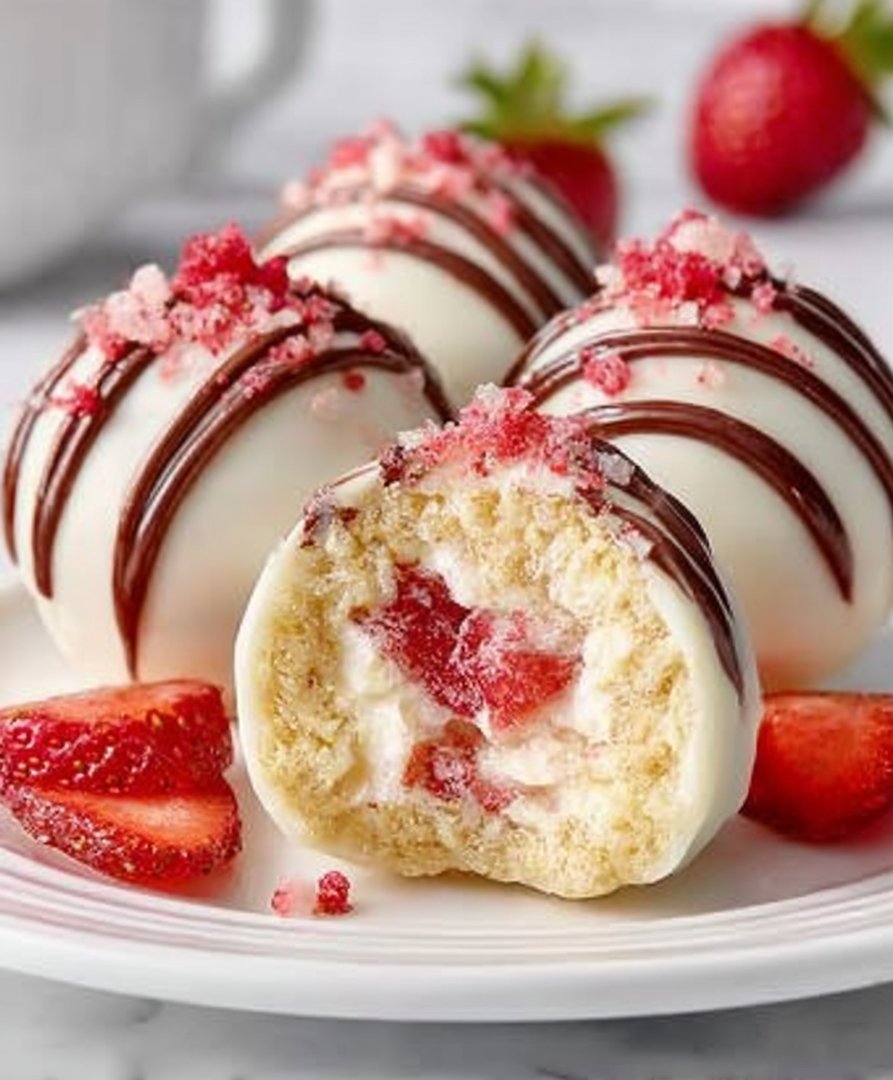
You know that feeling when spring hits and suddenly everything needs a dash of pastel and a sprinkle of sugar? I felt that yearning, but traditional shortcake just wasn’t cutting it—it needed an edge, a celebratory flair.
That realization is precisely how I stumbled upon the glorious, absurd concept of theStrawberry Shortcake Spring Festival Eggs: A Delicious Twist on a Classic Treat, transforming two dessert worlds into one whimsical masterpiece.
- The delicate biscuit shell and creamy filling create a surprising, textural dance that elevates the humble strawberry shortcake experience significantly.
- Preparation is surprisingly simple, requiring only basic baking skills and minimal chilling time for the creamy custard centers.
- Visually stunning, these “eggs” are the perfect centerpiece for any springtime gathering, brunch, or dessert table presentation.
- This recipe is highly versatile; swap the strawberries for blueberries or raspberries to customize the flavor profile throughout the warmer months.
The Kitchen Disaster That Became Dessert Royalty
Every great recipe, I believe, starts with a catastrophic failure that smells faintly of burnt butter. My journey to the Strawberry Shortcake Spring Festival Eggs was no different. I was trying to make individual shortcakes for a neighborhood gathering, intending to bake them in small, perfectly round molds. What actually happened was a tragic case of over-enthusiasm and under-flouring, resulting in shortcake dough that looked suspiciously like pale, lumpy tennis balls.
I stared at the odd, slightly misshapen baked goods cooling on the rack. They were too firm to be proper shortcakes, yet too soft to be scones. My neighbor, Betty, walked in, took one look, and declared, “Well, those certainly look like big, doughy eggs, don’t they?” And just like that, the universe handed me a revelation wrapped in biscuit crumbs. I realized that instead of scrapping the batch, I could hollow out the center and fill them with the essence of spring—fresh strawberries and a luscious, light custard.
This dessert isn’t just a fusion of flavors; it’s a testament to the power of salvaging a kitchen mishap. It requires precision, yes, but mostly it requires a sense of humor and a willingness to embrace the unusual. The resulting treat is a playful, sophisticated dessert that combines the buttery crunch of a rich shortbread biscuit with the silken smoothness of vanilla cream and the bright acidity of macerated strawberries. If you are looking for a showstopper that will instantly garner compliments and maybe a few confused but delighted stares, this recipe forStrawberry Shortcake Spring Festival Eggs: A Delicious Twist on a Classic Treatis your new best friend.
Mastering the Delicate Shell: Tips for Perfecting Your Shortcake Biscuits
The biscuit shell is the foundation of this spring delicacy, and getting it right is crucial. Unlike a traditional shortcake, these shells need to be sturdy enough to hold their creamy filling without collapsing into a sweet, soggy mess. The secret lies in keeping your butter as cold as a politician’s heart and avoiding overmixing the dough. When you cut the butter into the flour mixture, you want pieces ranging from the size of a pea to maybe a small lentil. These pockets of cold butter are what create the flaky, airy structure when the biscuits bake.
I always recommend using high-quality, full-fat buttermilk if possible, as the acidity tenderizes the dough beautifully. Once the dough comes together, handle it gently—think of it as handling a fragile antique. Overworking the dough develops the gluten too much, leading to tough, chewy shells, and we are aiming for tender perfection. To achieve that signature ‘egg’ shape, instead of using standard round cutters, I repurposed some oval metal pastry molds I usually reserve for making miniature loaves. If you don’t have oval molds, you can simply shape the dough by hand into thick, slightly flattened ovals, ensuring they are uniform in size for consistent baking. Baking them at a slightly higher temperature initially helps them rise quickly, locking in that necessary height and structure.
Once baked and cooled, the hollowing process requires patience. Use a small paring knife to carefully trace the outline of the hollow, and then employ a teaspoon or melon baller to scoop out the soft interior crumb. Reserve these crumbs! They are fantastic sprinkled over the finished product for an added textural element, or perhaps mixed into a quick batch of strawberry yogurt the next morning. It’s all about minimizing waste and maximizing flavor opportunities in this kitchen.
The Creamy Heart: Crafting the Custard and Strawberry Filling
While the biscuit shells provide the structure, the filling is where this dessert truly sings. We are moving away from heavy whipped cream and towards a pastry cream (crème pâtissière) that is lightened and stabilized, giving it a rich texture without being overly dense. For this recipe, I use an adaptation of classic vanilla custard, substituting traditional agar-agar with a touch of agar-agar powder mixed with milk to ensure a stable, sliceable filling that doesn’t collapse when the egg is cut open.
The key to a perfect custard is constant whisking over moderate heat. It’s a meditative process; ignore your phone, ignore the dog, just whisk until the mixture coats the back of a spoon and you see those telltale slow bubbles breaking the surface. Once the custard base is ready and the agar-agar has been incorporated, it must chill until firm. This is non-negotiable. Trying to fill the biscuits with warm custard is a direct route to a structural failure I wouldn’t wish on my worst kitchen enemy.
The strawberries themselves need minimal intervention. Macerating them—tossing the sliced berries with a tablespoon of sugar and a squeeze of fresh lemon juice—draws out their natural syrup and intensifies their flavor. This concentrated strawberry syrup is what truly brings the shortcake element to life inside the biscuit shell. When assembling, layer the filling: a spoon of strawberry syrup, then the creamy custard, and finally top it with more fresh, chunky strawberry pieces. The contrast between the warm, buttery biscuit and the cool, sweet filling is pure spring bliss.
Ingredients for Strawberry Shortcake Spring Festival Eggs: A Delicious Twist on a Classic Treat
Here’s what you’ll need to make this delicious dish:
- All-Purpose FlourEssential for the biscuit structure; ensure it is properly measured, preferably using the scoop and sweep method.
- Cold Unsalted ButterMust be cubed and very cold to create flaky pockets when baked, contributing to the airy texture of the shells.
- ButtermilkProvides necessary acidity and moisture, resulting in a tender biscuit shell.
- Granulated SugarSweetens both the biscuits and is used for macerating the fresh strawberries.
- Large EggsUsed primarily for the pastry cream base, providing richness and helping with thickening.
- MilkThe primary liquid base for the vanilla custard, use whole milk for the best flavor and texture.
- Agar-Agar PowderA plant-based gelling agent used in a minimal amount to stabilize the custard for a cleaner set.
- Alcohol-Free Vanilla ExtractUse pure extract for the best flavor infusion into the creamy custard.
- Fresh StrawberriesHalved and sliced, these provide the signature fruity component and refreshing acidity.
- Lemon JuiceUsed in a small amount to brighten the flavor of the macerated strawberries and enhance their natural sweetness.
The full ingredients list, including measurements, is provided in the recipe card directly below.
How to Make Strawberry Shortcake Spring Festival Eggs: A Delicious Twist on a Classic Treat
Follow these simple steps to prepare this delicious dish:
-
Prepare the Shortcake Dough and Bake the Shells
Preheat your oven to 425°F (220°C). In a large bowl, whisk together the flour, sugar, baking powder, and salt. Cut in the cold butter using a pastry blender or your fingertips until the mixture resembles coarse crumbs with some pea-sized pieces remaining. Gently stir in the buttermilk until just combined, being careful not to overmix. Turn the dough out onto a lightly floured surface and pat it into a 1-inch thick slab. Use an oval cutter or shape the dough by hand into 10 uniform oval “egg” shapes. Place them on a baking sheet lined with parchment paper and brush the tops with a little extra buttermilk for color. Bake for 12 to 15 minutes, or until golden brown and firm. Let them cool completely on a wire rack.
-
Macerate the Strawberries and Prepare the Custard Base
While the biscuits cool, slice your strawberries and toss them gently with the granulated sugar and lemon juice in a medium bowl. Set aside for at least 30 minutes to allow the juices to release. Next, prepare the custard: whisk the egg yolks and remaining sugar until pale. In a separate saucepan, combine the milk, vanilla, and agar-agar powder. Heat the milk mixture over medium heat, stirring until the agar-agar is completely dissolved. Slowly temper the hot milk into the egg mixture, then return everything to the saucepan. Cook, stirring constantly with a wooden spoon, until the custard thickens significantly and coats the back of the spoon, about 5 to 7 minutes. Transfer the custard to a clean bowl, cover the surface directly with plastic wrap to prevent a skin from forming, and chill in the refrigerator for at least 2 hours until firm.
-
Hollow and Fill the Biscuit Shells
Once the biscuit shells are completely cool, use a small paring knife to carefully cut an oval opening on top, leaving about a half-inch border around the edges. Carefully use a small spoon to hollow out the soft center crumb from each biscuit, creating a sturdy cavity suitable for filling. Now, take your chilled custard and whip it gently with a spoon to loosen it slightly, making it pipeable or easily spooned.
-
Assemble and Finish the Spring Festival Eggs
Begin the assembly by first spooning a teaspoon of the strawberry syrup (released from the macerated berries) into the bottom of each hollowed biscuit. Follow this with a generous spoonful or pipe in the creamy vanilla custard, filling the cavity about three-quarters full. Top the custard with the remaining chunky, macerated strawberry pieces. Place the reserved biscuit lids back on top, or leave them off for a more exposed, decorative look.
Dust the tops lightly with powdered sugar just before serving, and perhaps add a small sprig of fresh mint for the perfect finishing touch and aroma.
Presentation and Customization: Making the Eggs Pop
The beauty of theStrawberry Shortcake Spring Festival Eggs: A Delicious Twist on a Classic Treatis their versatility in presentation. These aren’t just desserts; they are edible sculptures, perfect for gracing any spring table. For an elegant look, arrange the finished “eggs” on a large platter lined with edible green moss (or shredded coconut dyed green with food coloring for a festive nest effect). A light dusting of powdered sugar over the top simulates a delicate morning frost.
If you prefer a vibrant, colorful display, consider drizzling a contrasting fruit coulis—perhaps a vibrant kiwi or mango puree—alongside the serving plate. The key is to emphasize the delicate, oval shape that makes them so unique. For customization, you can easily adapt the filling and fruit combination. Swap the strawberries for peaches and add a hint of cardamom to the custard for a summery twist, or use raspberries and a touch of rosewater for a floral, romantic flavor profile. The biscuit shell remains the versatile canvas upon which you can paint countless seasonal flavors.
For those interested in making these ahead of time, the biscuit shells can be baked up to two days in advance and stored in an airtight container at room temperature. The custard can also be made the day before and kept tightly covered in the refrigerator. I strongly recommend assembling the final product no more than 4 hours before serving, however, to ensure the biscuit maintains its optimal crispness and avoids soaking up too much moisture from the filling. This dessert is designed to be fresh, light, and celebratory, and a little planning goes a long way in preserving its structural integrity and flavor brilliance.
Enjoy the process of transforming a simple shortcake into this whimsical, conversation-starting dessert. It’s a little bit of magic, a lot of butter, and the perfect way to welcome the lighter, brighter days of spring.
The Accidental Discovery of Sunshine on a Plate

I stumbled upon this idea while frantically searching for spring recipes, only to drop a strawberry into my pastry cream mixture. Instead of crying over the mess, I realized the pink hue looked exactly like a robin’s egg. That happy accident led directly to these delightfulStrawberry Shortcake Spring Festival Eggs: A Delicious Twist on a Classic Treat.
The Great Strawberry Dilemma
Every year, when the farmers’ markets start overflowing with those perfect, ruby-red strawberries, I face the same existential dessert crisis. Do I make classic shortcake, which is wonderfully reliable, or do I try something utterly ridiculous? This year, the ridiculous won. I wanted something that captured the lightness of spring but felt substantial enough to satisfy my inner dessert monster. Forget boring berry parfaits; we are making miniature, edible masterpieces.
The beauty of the Strawberry Shortcake Spring Festival Eggs is how they elevate simple components. We ditch the dense, crumbly shortcake biscuit for a lighter, almost scone-like base, rich with real butter and a touch of vanilla. Then comes the magic: perfectly macerated strawberries, weeping their glorious crimson syrup, followed by a velvety, chilled “egg” component. This isn’t just dessert; it’s a whimsical declaration that winter is absolutely, definitively over.
Creating the egg involves infusing a light dairy base—like a crème anglaise, but thicker—with strawberry purée and stabilizing it with a gentle plant-based gelling agent, like agar-agar, to give it that perfect, spoonable firmness. This ensures the “egg” holds its shape beautifully when nestled on the shortcake base, avoiding any accidental dessert avalanches. If you’ve ever hosted a brunch where your gorgeous cream dessert melted into a puddle of sadness, you know the importance of structural integrity.
Gathering the Essential Components
Before diving into the assembly line, let’s make sure our tool shed is fully stocked. We need three main characters for this culinary play: the Shortcake Shells, the Macerated Strawberries, and the Strawberry Cream Eggs. Using high-quality, fresh strawberries is non-negotiable here. If your berries taste bland, your whole production falls flat. Give them a little bath in lemon juice and a sprinkle of sugar—it brightens their flavor immensely and helps release that coveted syrup.
For the Shortcake Shells, remember the goal is tender, not tough. Overmixing biscuit dough is the cardinal sin of baking. Mix until just combined, cut them quickly, and get them into a hot oven. The rapid heat encourages the butter to steam, creating those necessary flaky layers that contrast beautifully with the smooth cream. We’re aiming for golden domes of buttery goodness that serve as the perfect foundation for our delicious treat.
The Importance of Temperature Control in Baking
Temperature is perhaps the most underestimated variable when tackling baking projects like these shortcake shells. If your butter is too warm, it melts immediately into the flour, resulting in a dense, disappointing chew instead of a light, airy crumb. Imagine trying to fly a kite made of lead—it just doesn’t work. To avoid this kitchen tragedy, make sure everything that touches the dough is ice-cold. I often keep my mixing bowl in the refrigerator for 15 minutes before starting. When you cut the butter into the flour, you want visible, pea-sized chunks of butter remaining. These pockets are what release steam during the intense heat of the oven, puffing up the dough and guaranteeing those layers of tenderness we crave in a perfect shortcake base.
Furthermore, the precise oven temperature is crucial. The high heat of 425°F (220°C) is not arbitrary; it’s necessary to set the structure quickly before the butter fully melts. A low oven temperature causes the biscuits to spread rather than rise, leading to flat, dry discs. Trust the heat, and watch those shortcakes transform into golden-brown perfection in about 12 to 15 minutes. Pull them out when they are just beginning to turn deeply golden around the edges—that is your visual cue for optimal moisture retention and tenderness.
Choosing the Right Vessel for the Cream Eggs
While the recipe specifies egg-shaped molds for maximum visual impact, don’t panic if your kitchen cupboard doesn’t contain a dedicated set of silicone egg molds. Creativity is key here. Small ramekins, miniature muffin tins (lined with plastic wrap), or even carefully cleaned and dried eggshells (if you are feeling very ambitious and meticulous) can serve as excellent vessels for setting the cream component. The goal is a rounded shape that suggests the delicate curves of a spring egg.
The texture of the Strawberry Cream Eggs must be light yet sturdy. This is where the agar-agar performs its magic, replacing animal-derived gelatins perfectly. Unlike traditional thickeners, agar-agar sets incredibly firmly, even at room temperature, which is a massive advantage when serving this beautiful dessert outdoors or at a bustling party. Remember to fully dissolve the powder in boiling water; if you feel gritty particles, it hasn’t properly activated, and your cream eggs will sadly resemble a loose pudding. Whisk thoroughly for a minute to guarantee a smooth, flawless set.
Strawberry Shortcake Spring Festival Eggs: A Delicious Twist on a Classic Treat Recipe
Ingredients List
- For the Shortcake Shells:
- 2 cups all-purpose flour
- 1 tablespoon baking powder
- 1/2 teaspoon salt
- 1/4 cup granulated sugar
- 6 tablespoons cold unsalted butter, cubed
- 3/4 cup buttermilk or whole milk
- 1 teaspoon pure alcohol-free vanilla extract
- For the Macerated Strawberries:
- 2 cups fresh strawberries, hulled and sliced
- 1/4 cup granulated sugar
- 1 tablespoon fresh lemon juice
- For the Strawberry Cream Eggs:
- 1 1/2 cups heavy cream
- 1/2 cup strawberry purée (freshly blended)
- 1/4 cup confectioners’ sugar
- 1 teaspoon pure alcohol-free vanilla extract
- 1 teaspoon agar-agar powder (plant-based gelling agent)
- 1/4 cup cold water
Step-by-Step Assembly Instructions
- Prepare the Shortcake Shells:Preheat the oven to 425°F (220°C). In a large bowl, whisk together the dry ingredients (flour, baking powder, salt, sugar). Cut in the cold butter using a pastry blender or your fingertips until the mixture resembles coarse crumbs.
- In a separate small bowl, combine the buttermilk and alcohol-free vanilla extract. Pour the liquid ingredients into the dry ingredients and mix gently until just combined. Do not overmix.
- Turn the dough onto a lightly floured surface. Pat it down to about 3/4 inch thickness. Use a biscuit cutter (or an inverted glass) to cut out 6-8 rounds. Place them on a parchment-lined baking sheet and bake for 12-15 minutes, or until golden brown. Cool completely on a wire rack.
- Macerate the Strawberries:In a medium bowl, combine the sliced strawberries, granulated sugar, and lemon juice. Gently toss them together and let them rest at room temperature for at least 30 minutes. This allows the fruit to release its luscious juices.
- Create the Strawberry Cream Eggs:In a small saucepan, whisk the agar-agar powder into the cold water. Bring the mixture to a boil over medium heat, stirring constantly until the powder is fully dissolved (about 1 minute). Remove from the heat immediately.
- In a separate bowl, whip the heavy cream, confectioners’ sugar, and vanilla until soft peaks form. Gently fold in the strawberry purée. Ensure the agar-agar mixture has cooled slightly, then gradually fold it into the cream mixture until completely incorporated.
- Spoon or pipe the strawberry cream mixture into egg-shaped molds, or simply into small bowls if molds are unavailable. Chill the mixture for at least 3 hours, or until firmly set.
- Assemble the Delicious Treat:Slice the cooled shortcake shells horizontally. Spoon a generous amount of macerated strawberries and their syrup onto the bottom half of the shortcake. Gently scoop or unmold a chilled Strawberry Cream Egg onto the berries. Top with the shortcake lid and a dusting of confectioners’ sugar, if desired.
Perfecting the Cooking Process
The secret to speed is parallel processing. First, get the shortcake dough ready and baking. While those shells are cooling, focus on macerating the strawberries. Finally, prepare and chill the strawberry cream component. This sequence ensures all elements are perfectly chilled and ready for assembly at the same moment, maximizing flavor and structural stability.
Add Your Touch
For extra zing, fold finely minced basil or mint into the macerated strawberries—it adds an unexpected herbaceous lift. If you prefer a nuttier base, swap out some all-purpose flour for almond flour in the shortcakes. You can also substitute the strawberry purée in the cream with finely mashed raspberries for a tart twist on this delightful dessert.
Storing & Reheating
Store the components separately for the best results. Keep the shortcake shells airtight at room temperature. The macerated strawberries and the chilled cream eggs should remain in sealed containers in the refrigerator for up to three days. Reassemble right before serving; do not try to reheat any part of this chilled dessert, as the cream will lose its beautiful shape.
- Always use very cold butter for the shortcakes; freezing the cut cubes for 10 minutes helps ensure maximum flakiness and a delightful rise in the oven.
- Do not rush the maceration process; allowing the strawberries adequate time to release their juices is crucial for creating that rich, flavorful syrup needed for the base.
- When incorporating the dissolved agar-agar, make sure it is just warm, not hot, to prevent the whipped cream from melting down and losing its necessary volume and airiness.
My friend initially thought these were real painted eggs until she took a bite. The look of surprise followed by pure dessert joy confirmed that this recipe, theStrawberry Shortcake Spring Festival Eggs, was a total winner.
Conclusion for Strawberry Shortcake Spring Festival Eggs: A Delicious Twist on a Classic Treat
Creating these delightfulStrawberry Shortcake Spring Festival Eggs: A Delicious Twist on a Classic Treatallows you to transform a familiar favorite into an elegant, playful presentation. We successfully navigated the flaky shortcake, the succulent, syrup-rich strawberries, and the smooth, perfectly set strawberry cream. This recipe proves that sometimes, the best culinary creations come from a little bit of whimsy and a lot of fresh ingredients.
Whether you are celebrating the change of seasons or simply craving a dessert that brings a smile to your face, this recipe delivers on flavor and visual appeal. Don’t be afraid to embrace the twist; these treats are surprisingly straightforward to execute and guaranteed to become a memorable highlight of your spring table. Enjoy the sunshine, one decadent bite at a time.
PrintStrawberry Shortcake Spring Festival Eggs: A Delicious Twist on a Classic Treat

Forget savory! These shortcake-stuffed egg whites deliver a stunning spring dessert. Creamy whipped vanilla filling meets bright macerated strawberries and a tender shell.
- Prep Time: 15 minutes
- Cook Time: 20 minutes
- Total Time: 35 minutes
- Yield: 4 servings 1x
- Method: Stovetop
- Cuisine: American
Ingredients
- 6 large hard-boiled eggs, peeled and cooled
- 1 cup fresh strawberries, diced small
- 1 cup heavy whipping cream, cold
- 1/4 cup granulated sugar, divided
- 1/2 teaspoon pure vanilla powder
- 1/2 cup crushed shortbread cookies or vanilla wafers (for 'shortcake' crumbs)
- 1 tablespoon lemon juice (optional, for macerating berries)
Instructions
- Step 1: Slice the hard-boiled eggs lengthwise and carefully scoop out the yolks into a small mixing bowl. Set the egg white halves aside on a serving platter.
- Step 2: Macerate the Strawberries: In a separate small bowl, combine the diced strawberries with 2 tablespoons of the granulated sugar and the lemon juice (if using). Stir gently and allow the mixture to sit for at least 10 minutes to release the juices.
- Step 3: Prepare the Sweet Cream Yolk Base: Add 1/4 cup of the heavy cream and the remaining 2 tablespoons of sugar to the yolks. Mash and whisk the mixture thoroughly until it is completely smooth and resembles a thick, pastel-yellow paste.
- Step 4: Whip the Remaining Cream: In a chilled bowl, whip the remaining 3/4 cup of heavy cream with the vanilla bean paste until soft peaks form. Gently fold 2 tablespoons of the whipped cream into the sweet yolk mixture from Step 3 for a lighter, fluffier texture.
- Step 5: Assemble and Serve: Fill each egg white half with the sweet yolk mixture, using a small spoon or piping bag. Top the filling generously with a spoonful of the macerated strawberries, finish with a dollop of the remaining whipped cream, and sprinkle with the shortbread crumbs. Serve immediately or chill briefly before serving.
Notes
- To prevent sogginess, store assembled eggs tightly covered in the refrigerator for up to 24 hours, but always add the 'shortcake' crumbs right before serving.
- This is a chilled dessert; for the best flavor and texture, serve immediately after assembly or allow refrigerated eggs to temper at room temperature for five minutes before presenting.
- For a celebratory flourish, arrange the finished eggs on a bed of fresh mint leaves or alongside a small glass of sparkling lemonade to complement the sweetness.
- Chef’s Tip: For an especially light and smooth yolk filling, press the yolk mixture through a fine-mesh sieve after mashing to eliminate all lumps before folding in the whipped cream.
Nutrition
- Serving Size: 1 Strawberry Shortcake Egg unit
- Calories: 295
- Sodium: 150mg
- Fat: 18.0g
- Saturated Fat: 10.0g
- Trans Fat: 0.2g
- Protein: 15g
Leave a Comment